
Seamless Clinic-to-Home Care Transitions: Reducing Readmissions for Better Health
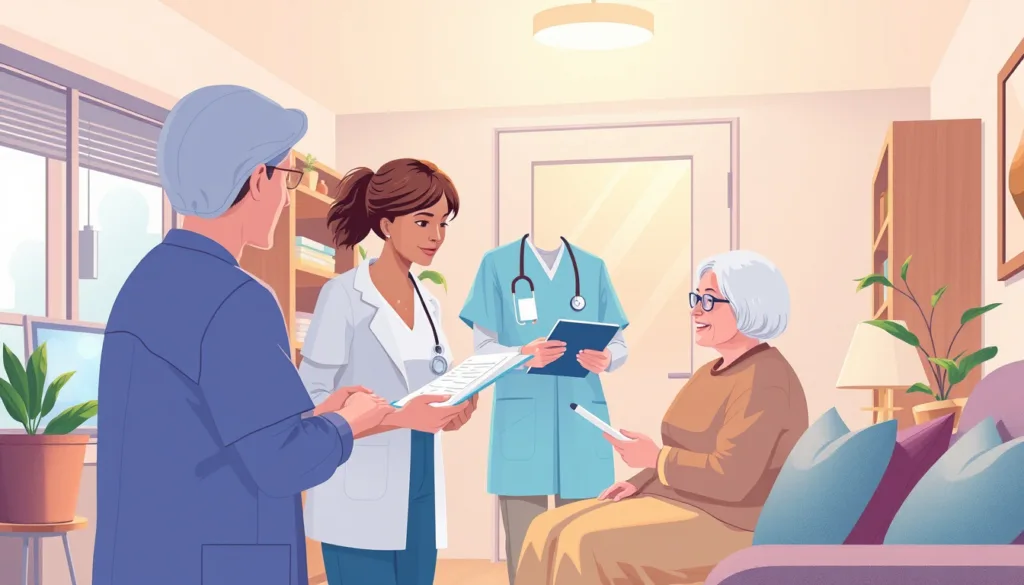
Seamless Clinic-to-Home Care Transitions: Reducing Readmissions for Better Health
Understanding Clinic-to-Home Transitions
Clinic-to-home transitions involve moving a patient from an outpatient clinic to a more comfortable home care setting. At this stage, a patient typically departs from a clinic after receiving necessary evaluations, treatments, or procedures. At home, they continue receiving essential care through professional caregivers and the necessary medical equipment. Proper guidance and effective follow-up are critical to ensure the patient’s safety and continued recovery.

These transitions are crucial as they help patients continue their recovery without interruption, maintaining awareness of their medications, possible warning signs, and scheduled follow-ups.
If you’re navigating care after discharge, you can Get matched with a caregiver in your area
Common Issues in Clinic-to-Home Transitions
Several factors frequently disrupt clinic-to-home care transitions, affecting patients and their families:
- Information gaps: Patients and families often receive delayed or incomplete information regarding medications, warning signs, and follow-up care.
- Poor coordination: Inadequate sharing of details among clinics, caregivers, and home service providers can lead to frustrating delays.
- Underutilization of caregivers: Skilled caregivers remain underused due to poor linkage with clinical staff.
- Excessive family burden: Families face significant challenges coordinating care without sufficient support, leading to stress and potential burnout.
These issues can result in increased emergency visits, higher hospital readmission rates, and prolonged recovery periods.
If you’re managing care post-discharge, you can Find a caregiver in your region
Challenges of Inadequate Discharge Planning
Insufficient discharge planning can lead to numerous hardships for everyone involved in a patient’s care:
- High readmission rates: Poorly managed home care arrangements can cause nearly 20% of patients to return within 30 days.
- Increasing care costs: Additional treatment and Medicare penalties escalate healthcare expenses considerably.
- Risks to patient safety: Overlooked medications or missed follow-up appointments compromise health outcomes.
- Emotional toll on families: The stress and worry of managing care can severely affect families’ overall well-being.
Enhancing discharge planning is imperative for healthcare providers who must aim at reducing readmission rates and centering patient safety.
Strategies to Improve Clinic-to-Home Care Transitions
Managing family-driven care at home can be complex, but several strategies can simplify matters:
- Insist on discharge instructions that are comprehensible and concise.
- Prepare and involve family members and caregivers before the clinic visit ends.
- Secure home care resources swiftly, avoiding delays in caregiver or service arrangements.
- Maintain communication with healthcare providers to promptly address concerns and clarify doubts.
For immediate, trusted home care tailored to your loved one’s needs, Get matched with a caregiver today
Optimizing Clinic-to-Home Care Transitions
Clinics and hospitals can significantly enhance these transitions by implementing several proven steps:
- Adopt comprehensive discharge planning that encompasses patient education, medication checks, and pre- and post-discharge follow-ups.
- Implement roles such as transition coordinators to facilitate seamless communication and collaboration among providers, caregivers, and families.
- Leverage technology for rapid caregiver matching that integrates caregivers into the transition process more efficiently.
- Encourage patient and family involvement in developing and refining care plans.
These strategies effectively reduce 30-day readmission rates and enhance the overall value provided to patients and healthcare systems.
Effective Models for Clinic-to-Home Care Transitions
Successful transition models implement a blend of strategies that bridge inpatient care with home-based recovery:
- Predischarge planning includes assessing patients’ post-discharge risks, educating them in understandable language, ensuring medication accuracy, and preparing comprehensive discharge documents.
- Postdischarge strategies involve home visits or phone consultations, reinforcing medication adherence, facilitating access to community care resources, and maintaining ongoing contact during the first 30 days after discharge.
- Communication and continuity measures include assigning dedicated roles to oversee transition tasks and sharing timely information among all stakeholders.
Family caregivers seeking reliable assistance soon after a clinic visit can Find a caregiver nearby
Clearly planned transitions from clinics to homes can minimize readmissions and boost patient safety. For families, streamlined care transitions provide a less stressful and safer recovery period following discharge.
