
Effective Home Care Discharge Planning: Smoother Care, Fewer Readmissions, and Faster Transitions
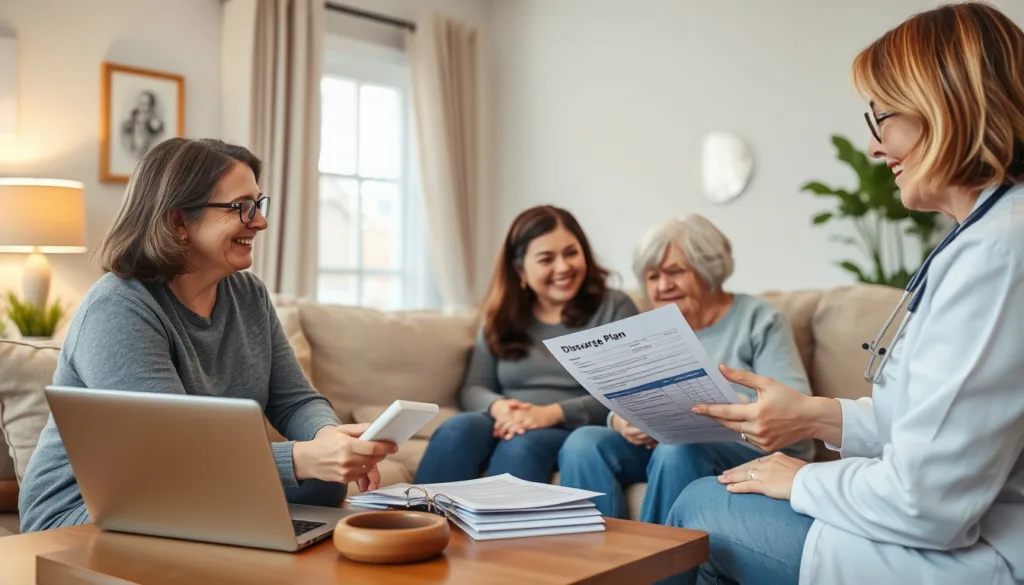
Effective Home Care Discharge Planning: Smoother Care, Fewer Readmissions, and Faster Transitions
Introduction to Home Care Discharge Planning
Home care discharge planning facilitates a safe transition for patients from hospitals to home. Teams consisting of clinicians, patients, families, and caregivers collaborate intensively. Their aim is to ensure ongoing outside care support, delivering clear post-care instructions and necessary resources. This strategy ensures a smoother recovery, sustained health, and minimized hospital revisits.
The Challenges Post-Hospital Discharge
Imagine a family member returns home after a hospital stay. Without thorough discharge planning, the transition can be overwhelming. Families often struggle with medication management, symptom monitoring, and arranging necessary follow-up care. Health professionals also experience challenges due to incomplete patient reports and insufficient caregiver feedback, leading to costly delays and fragmented care.
If post-discharge support is necessary, you can get matched with a caregiver in your area.
Common Failures in Hospital-to-Home Transitions
Transitional care from hospital to home may falter due to several reasons:
- Lack of precise instructions regarding medications and potential health warning signs.
- Delayed initiation of home support due to slow planning.
- Inadequate communication between the hospital staff, outpatient providers, caregivers, and families.
- Inefficiencies in employing skilled caregivers due to sluggish referral processes.
Such issues often result in:
- Extended hospital stays caused by delayed discharges.
- Frequent hospital readmissions, impacting both patient well-being and healthcare provider costs.
- Increased pressure on family caregivers unprepared for complex caregiving tasks.
If navigating discharge plans, you can find professional caregiver assistance in your area.
How Poor Planning Increases Healthcare Costs
Inefficient discharge procedures often lead to unnecessary emergency visits and frequent readmissions within 30 days, stressing family caregivers and escalating healthcare expenses. Pressure mounts on both patients and healthcare systems, significantly impacting patient satisfaction and overall health outcomes.
Hospitals facing high readmission rates might incur penalties, emphasizing the importance of robust home care discharge planning.
Overview of Care Transition Processes
Typically, hospital staff compile a discharge plan listing medications, follow-up appointments, and lifestyle recommendations. Yet, these plans can be:
- Manual and disconnected, relying on paper checklists or disparate electronic records.
- Exclusionary of patients and families, thereby reducing their understanding and engagement.
- Unlinked from subsequent home care support, leading to delays in needed aid.
- Variable in quality, thereby affecting the consistency of care.
The IDEAL Discharge Planning Model
The IDEAL discharge strategy by AHRQ centers around involving patients and their families. It encourages healthcare teams to:
- Engage patients and families as active partners.
- Discuss crucial elements such as expectations at home, medications, symptoms to watch, test results, and necessary follow-ups.
- Educate all parties using straightforward language throughout the stay.
- Ensure understanding through easy teach-back techniques.
- Consider personal goals and concerns.
This structured approach enhances safety, promotes learning, and ensures continuity of care.
Enhancing Hospital and Clinic Transition Strategies
To improve transitional care, hospitals and clinics can:
- Implement standardized procedures like the IDEAL model across multidisciplinary teams.
- Leverage technology, including electronic records, to ensure seamless information flow.
- Involve family caregivers from the outset, providing them with thorough training.
- Activate caregiver networks immediately post-discharge to avoid unnecessary delays.
- Monitor outcomes and adjust plans accordingly to reduce readmissions and enhance patient satisfaction.
This comprehensive strategy not only connects care seamlessly but also activates immediate home support, expediting patient recovery and relieving systemic burdens.

Tips for Families Managing Care Post-Discharge
Upon a family member’s return home, it’s crucial that families:
- Clarify any questions regarding medications, symptoms, and subsequent healthcare visits.
- Ensure transparent communication with hospital staff prior to discharge.
- Confirm availability of caregiver support for everyday tasks.
- Comprehend legal and healthcare documentation such as Advance Directives and HIPAA forms.
- Seek reliable resources to secure timely home care services.
For additional support following discharge, you can get matched with a caregiver in your area.
Characteristics of Successful Transition Models
Effective transition strategies are characterized by:
- Thorough discharge planning centered around the patient’s specific needs and home environment.
- Education for both patients and families using simple, understandable language.
- Coordinated communication among hospitals, outpatient facilities, caregivers, and family members.
- Rapid caregiver integration to ensure immediate commencement of home care.
- Ongoing assessments that adapt care plans as recovery progresses.
These practices significantly reduce readmissions, improve overall health, and support families through recovery challenges.
Conclusion
Effective home care discharge planning is crucial for seamless, safe transitions from hospital to home. With clear communication, family involvement, and timely caregiver support, hospitals can reduce readmissions and enhance patient outcomes. This process provides families with the security and support needed during challenging times.
For dependable home care assistance post-discharge, please reach out. You can connect with a caregiver in your area to ensure your loved one recovers comfortably at home.
