
Navigating Home Care Transitions: Strategies for Families and Healthcare Providers
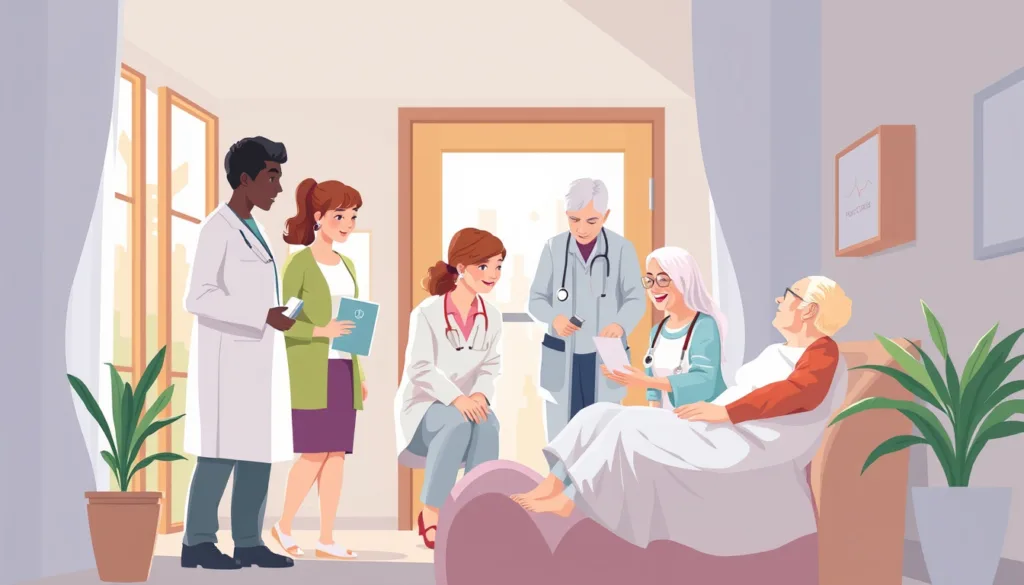
Navigating Home Care Transitions: Strategies for Families and Healthcare Providers
The Challenge: Navigating Home Care Transitions After Hospital Discharge
Imagine this scenario: your loved one is discharged from the hospital following a significant health issue. You’re handed a stack of instructions about new medications, appointments, and dietary changes. However, you’re unsure about obtaining home care support. Concerns arise. How will they manage daily tasks? Who will monitor their progress? What happens if complications arise?
For many families, the transition from hospital to home care feels daunting and insecure. Hospitals typically discharge patients once they are deemed stable, but this transition often feels like stepping into the unknown. Additionally, healthcare providers encounter challenges such as bed availability delays and increased costs when patients return due to gaps in care.
Ensuring smooth care continuity from hospital to home—and among various healthcare teams—is crucial for patients, families, and the health system. Identifying common failures during this transition and implementing clear strategies can transform a risky period into a safe, empowering journey.
Common Breakdowns in Care Transitions
Several factors contribute to weak care after discharge:
- Fragmented Communication: Healthcare team members, including doctors, nurses, and therapists, often fail to share vital information promptly and clearly, leading to information loss.
- Incomplete Assessments: Critical needs such as swallowing or balance issues may go unrecorded, risking patient safety post-discharge.
- Lack of Early Discharge Planning: Delaying discharge plans until the last moment can complicate and compromise the safety of transition plans.
- Limited Family Education: Insufficient instructions leave families ill-prepared to advocate or provide adequate care at home.
- Inadequate Coordination with Home Care Services: Difficulty in accessing quality home care services quickly can escalate problems and increase hospital readmissions.
Strategies for Better Home Care Transitions
Effective nursing practices and team collaboration involve several key steps:
1. Initiate Discharge Planning at Admission
From the onset of a patient’s hospital stay, the care team should strategize for a safe home return by:
- Assessing medical needs and capabilities early on.
- Identifying risks like fall hazards or swallowing difficulties.
- Discussing patient wishes regarding DNR (Do Not Resuscitate) statuses.
- Starting discussions on required home support services.
2. Implement Structured Communication Tools Like SBAR
SBAR (Situation, Background, Assessment, Recommendation) enhances clarity in communication between healthcare team members, ensuring essential details are conveyed accurately and effectively.
3. Prioritize Medication Reconciliation
Addressing discrepancies in medication during each transition phase is crucial. Teams are responsible for updating families with a simplified, current medication list and clear usage instructions.
4. Engage an Interdisciplinary Team
Each professional contributes uniquely:
- Medical providers (MDs, NPs, PAs) set diagnoses and treatment plans.
- Occupational Therapists focus on daily living activities.
- Physical Therapists work on enhancing physical strength and balance.
- Speech-Language Pathologists address challenges with communication and swallowing.
5. Follow Patient-Centered Nursing Processes
Nurses employ the ADPIE methodology—Assessment, Diagnosis, Planning, Implementation, Evaluation—to ensure targeted and effective care, adapting as necessary.
Practical Guidance for Families Managing Home Care Transitions
The transition of a loved one back home can be daunting yet critical. Families play a vital role in maintaining continuous and stable care by:
- Being proactive about understanding home care plans and available support.
- Ensuring clarity on medication adjustments and proper usage.
- Recognizing signs that may require urgent care or medical attention.
- Securing information on follow-up appointments.
- Arranging necessary home assistance swiftly.
Get matched with a caregiver in your area to secure compassionate and timely home care when your loved one returns.
System-Level Perspectives: Enhancing Provider Strategies to Improve Transitions and Reduce Readmissions
Healthcare organizations can mitigate delays and enhance care quality by:
- Adopting communication tools like SBAR for consistent information exchange across teams.
- Conducting thorough assessments at the time of admission to preempt later complications.
- Developing early and comprehensive discharge plans that align care needs with available resources.
- Maintaining meticulous medication checks at every transition stage to minimize errors.
- Collaborating closely with home care services to ensure prompt access to necessary support.
These strategies bridge gaps, enhance care continuity, support patient recovery, and reduce surplus expenditures.
Conclusion: Advancing Toward Seamless Care Transitions
The seamless flow of care from hospital to home hinges on proactive planning, effective communication, and collaborative teamwork, all focused on the patient’s specific needs. Families should feel empowered to participate actively and secure robust home support. Healthcare providers must adhere to defined steps and collaborate across settings to optimize outcomes.
Get matched with a caregiver in your area today for a safer, smoother transition back home. Effective support can make a significant difference.
Embrace best practices and join efforts between hospital and home care to ensure patients feel secure, supported, and on a clear path to recovery and independence.
