
Seamless Home Care Transitions: Effective Strategies to Reduce Hospital Readmissions
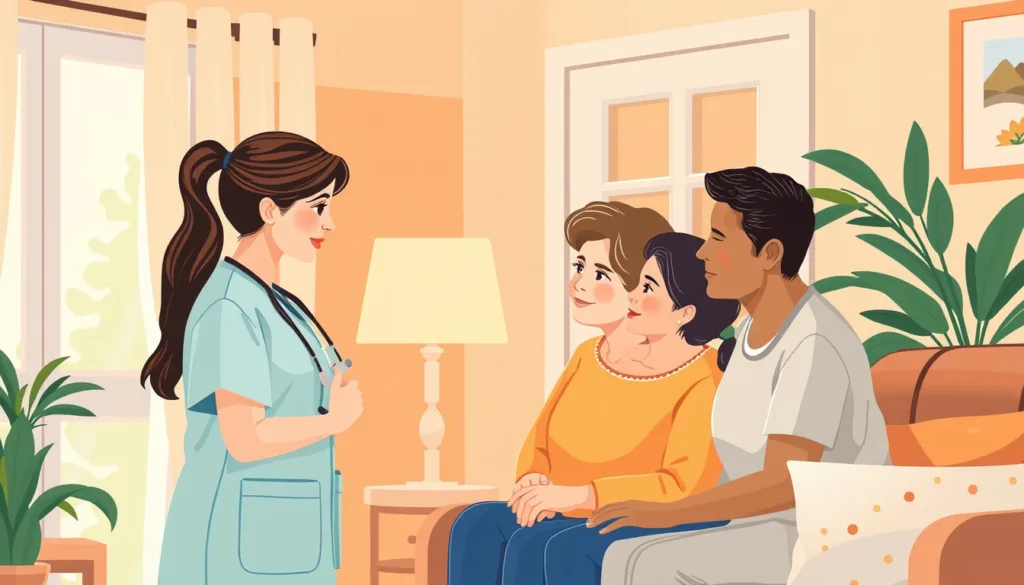
Seamless Home Care Transitions: Effective Strategies to Reduce Hospital Readmissions
Home care transitions involve a patient moving from the hospital back to their home, where the transition from medical facility-based care to home-based support occurs. This change needs careful management to ensure medications, therapies, and daily activities are properly handled to promote safe recovery and prevent rehospitalization.
Common Pitfalls in Hospital-to-Home Care
The process of transitioning from hospital to home should be fluid but often encounters setbacks due to:
- Discharge Gaps: Patients are discharged without adequate home support in place.
- Fragmented Coordination: Poor communication between hospitals, caregivers, and families.
- Delayed Activation: Home care services beginning later than needed.
- Underutilized Caregiver Workforce: Not involving skilled caregivers early enough in the transition.
These issues can increase readmissions, delay recovery, and overburden families. Get matched with a caregiver in your area for effective post-discharge care.
The Financial and Emotional Cost of Poor Discharge Planning
Readmissions, which occur when patients return to the hospital shortly after discharge, lead to significant costs–over $41 billion annually in the U.S. alone. By improving post-discharge care through careful medication management, symptom monitoring, assistance with daily tasks, and streamlined communication, these costs and the associated emotional distress can be significantly reduced.
- Regular medication management
- Monitoring for symptoms that could indicate a problem
- Help managing daily tasks
- Ensuring continuous communication between healthcare providers and caregivers
This comprehensive approach is crucial, especially for conditions like heart failure, COPD, pneumonia, or following surgeries. Get matched with a caregiver quickly to manage post-discharge efficiently and empathetically.
Current Challenges in Hospital-to-Home and Clinic-to-Home Transitions
Today, transitioning care from clinical settings to home involves outdated protocols that too often lead to delays and risks:
- A team might rely solely on checklists without flexibility.
- Limited or inefficient communication tools can hinder quick updates between carers and families.
- Discharge processes can be slow and involve minimal coordination with home care providers.
- Families often receive insufficient guidance on post-discharge care.
- Caregivers are frequently brought into the process too late.
These inefficiencies can cause unnecessary delays and increased anxiety for families needing immediate support. Find a caregiver in your area swiftly to avoid these pitfalls.
Enhanced Solutions for Home Care Coordination
To reduce readmissions and improve the quality of care, it’s essential to adopt a connected home care plan that offers:
- Quick Match Technology: Fast, reliable matching of patients with professional caregivers.
- Seamless Transition Plans: Continued care plans that start in the hospital and follow the patient home.
- Engaged Local Caregiver Networks: Activation of local caregivers who are familiar with the patient’s needs.
- Enhanced Communication Tools: Systems that enable real-time updates and collaborative care planning.
- Comprehensive Care Approach: Plans that consider all aspects of patient well-being.
These strategies benefit healthcare institutions by reducing readmissions, streamlining discharge processes, and optimizing caregiver involvement.
What Effective Home Care Transition Models Entail
Efficient transition models from hospital to home share several key characteristics:
- Proactive discharge planning that begins during hospitalization.
- Determining suitability for home health services or hospital-at-home in advance.
- Inclusion of home-based healthcare services like telehealth promptly post-discharge.
- Comprehensive care teams responsible for medications, personal care, and preventing potential issues like falls.
- Use of technology to keep care transparent and prompt among all participants.
- Active involvement from both families and caregivers as part of the care team.
Programs like “Hospital at Home” deliver comprehensive care in the comfort of a patient’s home, reducing risks and costs while enhancing patient and family comfort and satisfaction.
Navigating Post-Discharge Care as a Family
Managing care after hospital discharge can be challenging:
- Understand clearly what the patient needs.
- Arrange for home care immediately upon discharge.
- Maintain regular communication with healthcare professionals and caregivers.
- Employ tools to monitor care plans and medication schedules.
- Ensure the home environment is safe to prevent falls.
- Request specialized care plans for chronic conditions like heart failure or COPD as necessary.
If you’re looking for reliable home care post-discharge, get matched with a caregiver to simplify the process and provide peace of mind.
Strategies for Clinics and Hospitals to Improve Care Transitions
Healthcare organizations can enhance care transitions and reduce readmissions by:
- Developing a robust home care system that integrates trusted caregivers seamlessly into existing workflows.
- Utilizing digital tools for efficient planning and caregiver matching.
- Collaborating with family caregivers to enhance knowledge sharing and support.
- Expanding teams to provide outreach beyond the hospital setting.
- Monitoring patient progress post-discharge to intervene promptly when necessary.
These strategies minimize readmissions, alleviate penalties, and enhance patient care by bridging current gaps in the system.
Conclusion: Transforming Post-Discharge Care Together
Effective home care transitions are crucial—they reduce hospital readmissions and enhance overall patient care. By promoting connected home care, rapid caregiver matching, and continuous communication, both families and providers can overcome challenges associated with post-discharge care.
If your family is managing a recent discharge, get matched with a caregiver for dependable, timely support. For providers, implementing a robust transition strategy boosts patient outcomes and reduces readmissions, fostering stronger patient and institutional health.
