
Seamless Hospital-to-Home Care Transition: Ensuring Reduced Readmissions and Continuity
Seamless Hospital-to-Home Care Transition: Ensuring Reduced Readmissions and Continuity
Understanding Hospital-to-Home Care Transitions
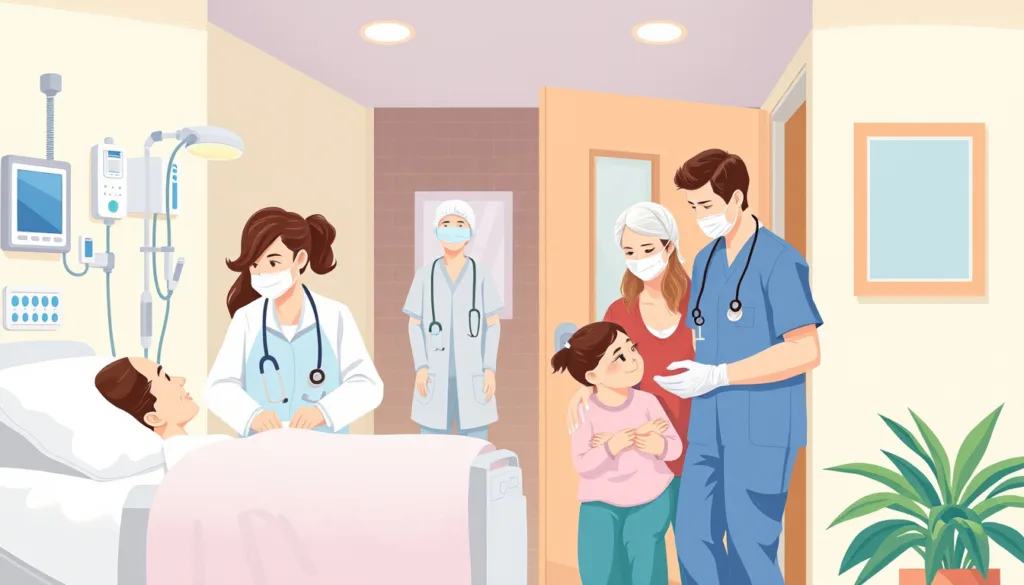
A hospital-to-home care transition occurs when a patient moves from a hospital, clinic, or rehabilitation facility back to their home. This critical phase bridges acute treatment with ongoing care. Effective transitions are essential as they minimize errors related to medication, reduce the risk of falls, and prevent unnecessary hospital readmissions.
If you require assistance after a hospital discharge, you can get matched with a caregiver in your area.
Challenges in Hospital-to-Home Care Transitions
Transitions from hospital to home often encounter multiple barriers:
- Patients may leave the hospital with insufficient discharge instructions and support, creating gaps in care.
- Care coordination can be fragmented when healthcare teams fail to communicate effectively, leading to conflicting care plans and missed follow-up appointments.
- Delayed activation of home care services forces families to extensively search for available caregivers or home health services.
- The burden on families increases when support is delayed, leading to stress and potential caregiver burnout.
These factors contribute to nearly 20% of older adults being readmitted to hospitals within 30 days. It highlights the need for improved transitions.
The Financial Impact of Inefficient Discharge Planning
Poor discharge planning extends beyond patient wellness, significantly affecting the healthcare system:
- Repeated hospital readmissions incur high costs and penalties from insurers, including CMS.
- Inefficient transitions overload hospital staff and limit the availability of hospital beds.
- Events like medication errors and falls, which are often preventable, can worsen patient outcomes.
- Underutilization of the independent caregiver workforce leads to care gaps.
For healthcare providers, well-managed transitions not only save money but also safeguard patient health.
Strategies for Families Navigating Care After Discharge
Dealing with hospital-to-home transitions can be daunting for families, especially without sufficient support:
- Be proactive about understanding the patient’s condition and required steps for recovery.
- Inquire about necessary equipment and any needed adaptations to your home environment.
- Clarify medication instructions to ensure proper dosage and recognize potential side effects.
- Arrange for follow-up care, including appointments and transportation.
- Don’t hesitate to seek external support. Personal care aides or home nurses can be invaluable.
For expedited assistance, get matched with a caregiver in your area to ensure prompt and reliable support.
How Healthcare Facilities Can Enhance Transition Processes
Improved transitional care requires active efforts from hospitals and clinics:
- Develop transitional care programs that educate patients before they leave and maintain communication post-discharge.
- Employ care coordinators and foster clear communication across healthcare teams.
- Quickly connect with local caregiver networks and use home health teams efficiently.
- Adopt standardized discharge protocols to ensure continuity and clarity of care.
- Analyze readmission data to identify and address gaps in care for high-risk populations.
These enhancements not only reduce readmissions within 30 days but also elevate patient safety and optimize discharge workflows.
Key Elements of Effective Transition Models
Successful transition models are characterized by several critical components:
- Active patient and family engagement to empower them in managing home care effectively.
- Pre-discharge planning to identify risks and address potential medication issues.
- Robust post-discharge support through follow-up calls, home visits, and scheduled appointments.
- Dedicated transitional care providers ensuring continual communication across all care settings.
- Use of integrated communication platforms to seamlessly connect hospital, outpatient, and home care services.
Implementing these measures significantly aids in recovery and reduces the chances of avoidable readmissions.
If you are caring for someone post-hospitalization, get matched with a caregiver in your area for immediate and effective support.
Understanding the nuances of hospital-to-home care transitions allows better planning and ensures peace of mind. Families gain immediate access to reliable caregivers, while hospitals benefit financially and achieve superior patient outcomes—a mutual advantage for all parties involved.
If immediate home caregiving services are needed, feel free to get matched with a caregiver in your area.
