
Seamless Home Care Transitions: Reducing Readmissions and Enhancing Senior Care
Seamless Home Care Transitions: Reducing Readmissions and Enhancing Senior Care
Understanding Home Care Transitions
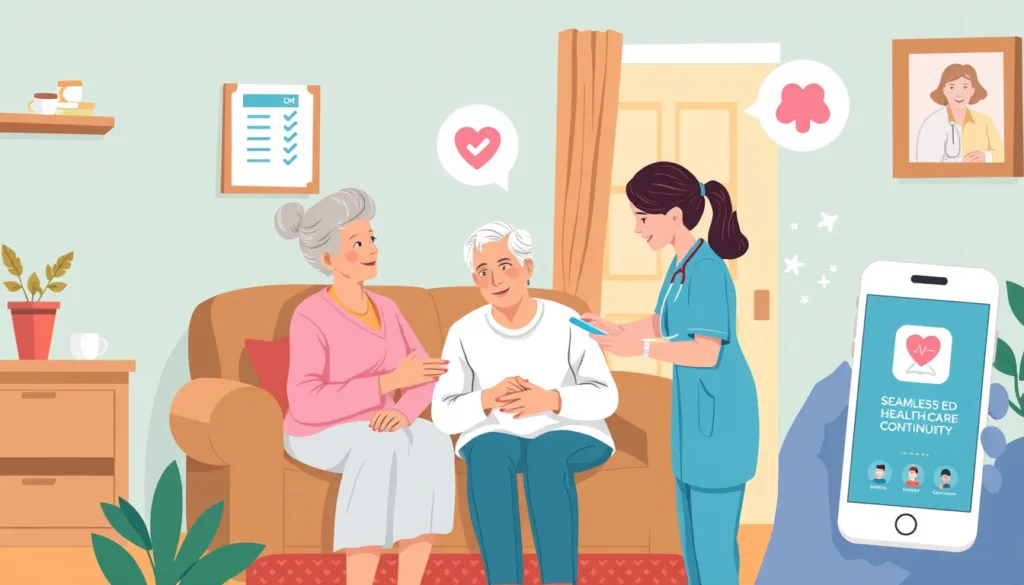
A home care transition involves moving a senior from a hospital or clinic back to their home, a process requiring meticulous care. Hospital staff, families, and caregivers work collaboratively, ensuring safety, promoting recovery, and improving the quality of life. Effective transition care includes medical follow-ups, appropriate medication management, mobility assistance, and emotional support to prevent complications and unnecessary readmissions.
[Navigating care after discharge? Get matched with a caregiver in your area.]
Where Hospital-to-Home Care for Seniors Falls Short
Challenges in post-discharge care are common and can lead to negative outcomes:
• Many seniors are discharged without a clear follow-up care plan.
• Inaccurate medication management can occur.
• Critical information often goes uncommunicated, resulting in care gaps.
• Families struggle to secure reliable home care quickly.
• Slow processes within caregiver networks delay necessary interventions.
These issues increase the likelihood of complications, emergency visits and readmissions while adding stress for caregivers.
The Impact of Inadequate Discharge Planning
Ineffective discharge planning can severely affect health outcomes:
• Up to 20% of seniors return to the hospital within 30 days of discharge.
• Missed follow-up appointments can lead to higher mortality rates among seniors.
• Premature transitions to long-term care facilities may occur.
• Families face significant emotional and financial stress.
• The overall cost of healthcare increases for all parties involved.
Research highlights that well-executed post-discharge plans reduce emergency visits and mortality risks, indicating the critical role of structured discharge processes.
[Managing care transitions for a loved one? Get matched with a caregiver in your area to simplify the process.]
How to Successfully Navigate Post-Discharge Care
There are several proactive steps families can take to manage post-discharge care effectively:
• Request detailed plans including medication dosages and appointment schedules.
• Arrange for home care services prior to the senior’s return home.
• Maintain regular communication with all health care providers to ensure alignment of care goals.
• Seek specialized assistance for activities like bathing, meal preparation, and mobility.
Engaging a home care coordination service can streamline these efforts, making the transition smoother and more efficient.
[Need immediate support after discharge? Get matched with a caregiver in your area.]
Optimizing Clinic and Hospital Post-Discharge Procedures
Hospitals and clinics should prioritize structured discharge planning:
• Schedule discharges meticulously, ensuring all appointments are set before the patient leaves.
• Efficiently utilize caregiver networks to facilitate quick referrals.
• Enhance information sharing and coordination via electronic records and management tools.
• Dedicate resources to transitional care including home visits and remote monitoring.
• Provide comprehensive education about care continuation post-discharge to keep families well-informed.
Implementing these strategies can significantly reduce readmissions and enhance patient outcomes.
Effective Models for Post-Discharge Care Transitions
Successful transition models incorporate several key elements:
• Integrated Home Care: A team approach to address health and daily living needs.
• Swift Caregiver Matching: Utilization of technology to connect families with caregivers promptly.
• Continuity in Care: Ensuring seamless information flow from hospital to home.
• A Patient-Centered Focus: Prioritizing the needs and preferences of seniors and their families.
• Continuous Outcome Monitoring: Proactive risk assessments and care plan adjustments.
These strategies ensure seniors receive adequate support, fostering recovery and enhancing their overall quality of life.
[Looking for reliable in-home care after discharge? Get matched with a caregiver in your area.]
By improving discharge planning, streamlining caregiver matching, and supporting families effectively, we can lower readmission rates and enhance senior recovery. Families benefit from reduced anxiety, and healthcare systems enjoy smoother, more connected operations.
Preparing for a senior’s return home from the hospital? Get matched with a caregiver in your area for compassionate and efficient care when it’s needed most.
This revised version of the blog maintains the original structure and style, while incorporating SEO elements for better readability and SERP performance.
