
Seamless Transitions: A Practical Guide to Post-Discharge Home Care for Families and Providers
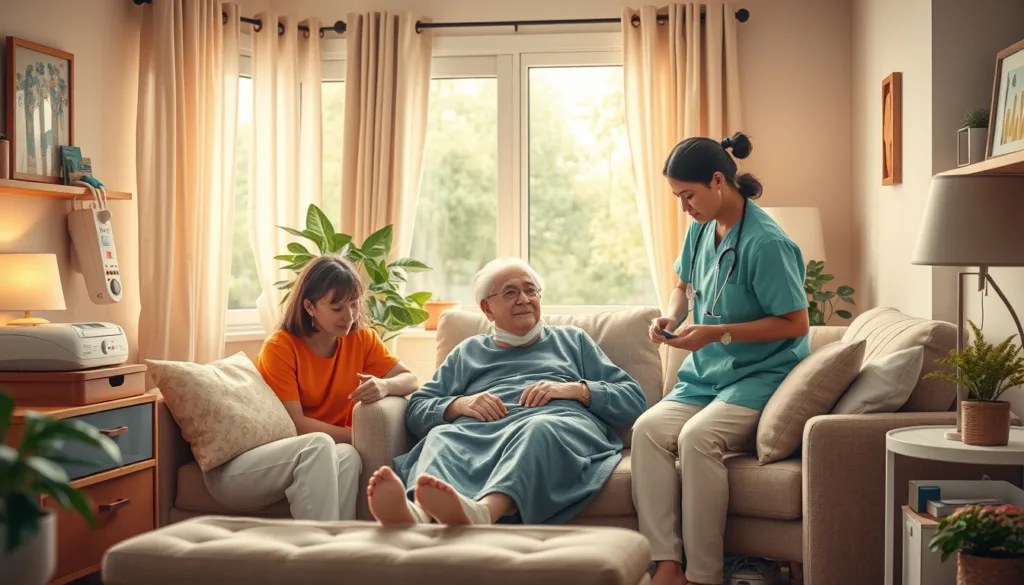
Seamless Transitions: A Practical Guide to Post-Discharge Home Care for Families and Providers
Navigating the Complex Journey from Hospital to Home
Imagine this scenario: After a hospital stay, your loved one is discharged with comprehensive paperwork, a list of new medications, and a follow-up appointment but without a clear action plan for post-discharge home care. You are tasked with managing medications, monitoring symptoms, and communicating with healthcare professionals to ensure a smooth transition.
This scenario is not uncommon. Many families find themselves overwhelmed by the complexities of care coordination, medication management, and identifying early signs of complications. Healthcare providers strive to reduce preventable readmissions and hasten discharges, yet often overlook critical steps that could enhance the transition process.
Why Do Care Transitions Often Break Down?
The transition from hospital to home is pivotal and can significantly influence a patient’s recovery trajectory. However, several core challenges complicate these transitions:
- Poor medication adherence, where patients find it difficult to manage complex medication schedules without adequate support.
- Fragmented care coordination among hospital staff, primary care physicians, patients, and caregivers leads to miscommunications and delays.
- Inadequate handoff to primary care providers (PCPs), resulting in a discontinuity of care that impedes early recovery.
- Failure to detect early complications due to subtle health deteriorations that go unnoticed until they escalate into emergencies.
The resulting stress and confusion for families are compounded by the financial and operational strains these issues place on providers due to frequent readmissions.
Key Insights for a Healthier Transition Home
Innovative care strategies focus on post-discharge support, leveraging both personal interactions and technological tools. Here are several effective components:
1. Assigning a Dedicated Transition Liaison
A transition liaison serves as the connector between the hospital team, the patient, their primary doctor, and family caregivers. This role involves:
- Ensuring patients understand their care plans and medication regimes.
- Providing real-time support through nurse hotlines.
- Rapidly communicating health status changes to the care team.
This personalized approach cultivates trust and keeps the patient actively engaged throughout their care journey.
2. Creating an Electronic Patient Profile
An electronic profile encapsulates discharge information, medication lists, lab results, and insurance details in one seamless digital format:
- Quick integration with hospital systems.
- Secure, efficient data sharing among care partners.
- Immediate updates as the patient’s condition evolves.
This cohesive data management approach prevents information from slipping through the cracks.
3. Monitoring Health with Daily Checks
Daily health assessments tailored to each patient’s specific needs can be completed via phone, app, or voice response, fostering clear communication between health metrics and care providers.
4. Providing 24/7 Access to Care Plans and Appointments
Digital access to care plans ensures that patients and caregivers can manage medicinal schedules and plans without constraints.
Practical Guidance for Families Navigating Post-Discharge Care
If you are caring for someone recently discharged from the hospital, consider the following steps:
- Ensure clarity in discharge instructions—ask healthcare teams to explain medications, symptoms to watch for, and next steps.
- Designate a point person for daily health tracking using tools or apps.
- Maintain communication with your transition liaison for any concerns regarding medications or symptoms.
- Organize all health documents in one location, including discharge summaries, medication lists, and upcoming appointment details.
- Monitor any health changes and contact healthcare professionals if symptoms worsen.
For personalized support, get matched with a caregiver in your area who can assist with medication reminders, transportation, and additional support.
What Healthcare Providers Can Do to Streamline Post-Discharge Outcomes
Hospital leaders play a crucial role in facilitating smoother transitions:
- Adopt technology that seamlessly integrates patient data with existing medical records for immediate updates.
- Employ dedicated transition liaisons to provide consistent support and early problem resolution.
- Implement routine health checks to quickly identify potential risks, thereby reducing readmissions.
- Ensure comprehensive reporting on post-discharge health conditions to allow timely interventions.
- Cultivate strong collaborations with primary care physicians and community resources to prevent patients from falling through the cracks.
When hospitals implement these interconnected measures, the discharge process becomes more efficient, readmissions decrease, and communication is enhanced.
Conclusion: Taking the Next Step Toward Safer Transitions
Moving from hospital to home sets the foundation for a secure recovery. Robust care coordination, clear communication, and accessible support empower patients to regain their strength and minimize complications.
Families who engage with these strategies position their loved ones for success, while caregivers and technology play vital roles in daily healthcare monitoring. Healthcare providers that incorporate comprehensive liaisons and thorough data reviews establish effective systems that strengthen every step of post-discharge care.
For immediate assistance, get matched with a qualified caregiver in your area to support your recovery journey.
Empowerment through clear connections and real support is the key to smooth care transitions.
