
Navigating Post-Discharge Challenges: Key Strategies for Patient Education and Home Care
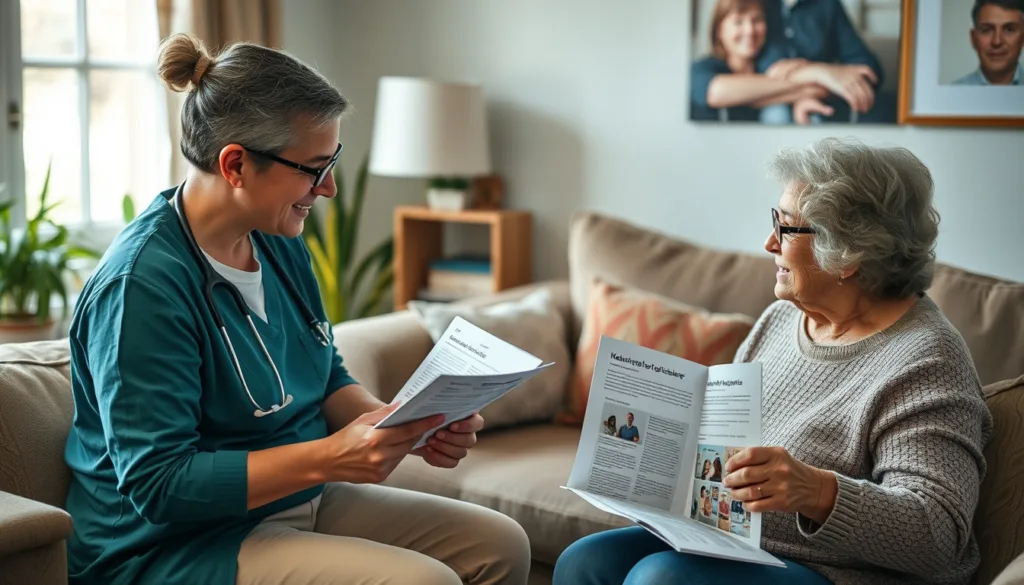
Navigating Post-Discharge Challenges: Key Strategies for Patient Education and Home Care
Facing the Post-Discharge Reality: Are Patients Truly Ready for Home Care?
Imagine a loved one leaving the hospital after a significant medical treatment. The medical team provides a stack of discharge papers with clear instructions. Amid the rush of discharge and heightened emotions, crucial information is often overlooked by family members. This common scenario underscores the inadequacies of patient education in facilitating efficient home care.
The Problem: Why Care Transitions Break Down After Hospital Stays
In the critical moments before leaving, overwhelmed and stressed, patients receive last-minute instructions from their healthcare providers. Dr. Eric Coleman from the University of Colorado highlights, "There couldn’t be a worse time… than the 11 minutes before they leave the building." This rushed approach results in missed vital details, and subsequently, families struggle with home care management.
The evidence of this problem is clear:
- Families are uncertain about medication management.
- They overlook vital warning signs and symptoms.
- Preparation for self-care or caregiving tasks falls short.
- Preventable complications and hospital readmissions occur.
This leaves families feeling unprepared and alone, while hospitals face delayed discharges, readmission penalties, and care gaps.
Key Insights for Enhancing Patient Education and Smoothing Care Transitions
1. Initiate Patient Education from Day One
Effective patient education should commence at admission, not just before discharge. Introducing small, digestible pieces of information throughout a patient’s stay enhances learning and retention.
2. Focus on Functional and Patient-Centered Education
Patient education should empower with clear directions on medication, treatment procedures, and recognizing potential health issues. The goal is to enhance health literacy tailored to practical use.
3. Confirm Understanding with Teach-Back
Using the teach-back method allows for confirmation of patient understanding. Healthcare providers request patients to summarize information in their own words, ensuring clarity and comprehension.
4. Adapt to Individual Learning Styles and Needs
Acknowledging diverse learning preferences enhances educational outcomes. Whether through videos, written materials, or hands-on demonstration, tailored educational approaches support better understanding and skills retention.
5. Build Confidence and Tackle Emotional Barriers
Addressing emotional responses to new health diagnoses is crucial. Providers should offer comfort and bolster confidence, ensuring patients are emotionally prepared alongside their practical readiness.
Practical Guidance for Families Navigating Post-Discharge Care
- Engage Early and Often: Seek education frequently during the hospitalization and not just at discharge. Encourage repetition and demonstrations of care tasks.
- Use Teach-Back: Confirm your understanding by restating care instructions in your own words. Request further clarification if needed.
- Identify Your Learning Style: Communicate your preference for learning through videos, written guides, or direct demonstrations.
- Build a Support Network: Establish connections with family, friends, or professional caregivers early to ease transition and enhance safety at home.
- Know When to Seek Help: Be proactive in getting help by learning the appropriate times and methods to contact healthcare providers if issues arise.
Get matched with a caregiver in your area to ensure a safe and informed transition from hospital to home.
A System-Level Perspective: Enhancing Healthcare Outcomes through Education
Healthcare providers are vital in reducing readmissions and enhancing discharge processes by treating patient education as a continuous and personalized practice starting at admission. Necessary steps include:
- Integrate Education Throughout the Care Pathway: Transition from a single discussion to a consistent educational approach that adapts to patients’ evolving needs.
- Invest in Training for Educators: Equip healthcare providers with skills in teach-back techniques, motivational interviewing, and clear communication.
- Leverage Multimodal Education Tools: Employ various educational tools like videos, apps, and physical kits to address various learning styles effectively.
- Collaborate Across Teams: Ensure seamless coordination between inpatient, outpatient, and home care teams for a unified approach to patient education.
- Monitor and Measure Understanding: Continuously assess patient readiness and comprehension to ensure clear and effective discharge instructions.
Such strategies can significantly reduce preventable readmissions, elevate patient satisfaction, and optimize resource utilization within healthcare facilities.
Conclusion: Taking the Next Steps Together in Patient Education
Effective care transitions require more than just discharge instructions. They need comprehensive, early-stage educational efforts tailored to individual patient needs. This strategy, coupled with strong caregiver support, can significantly enhance patient confidence in managing their own care. Healthcare providers must prioritize functional health literacy, integrating it within discharge planning and interprofessional collaborations to foster safer, smoother transitions for all patients.
If your family is preparing for a discharge, act now—find a caregiver to support your loved one’s home recovery with trusted and streamlined support.
For healthcare providers aiming to reduce readmissions and improve discharge processes, start with comprehensive patient education from day one and consistently incorporate teach-back practices. By working together, we can ensure enhanced care for all patients post-discharge.
