
Seamless Transitions: Essential Strategies for Effective Post-Discharge and Home Care Management
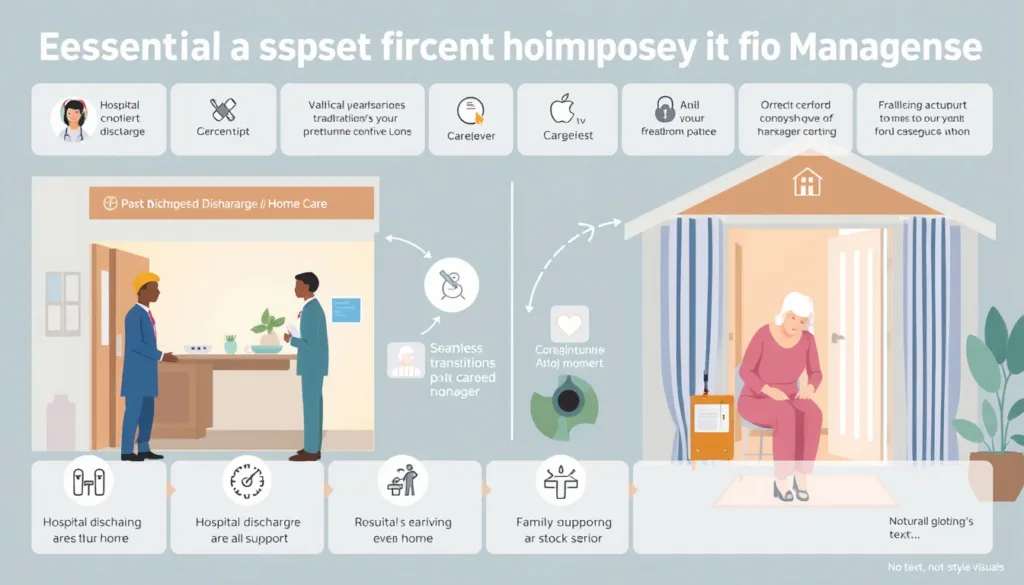
Seamless Transitions: Essential Strategies for Effective Post-Discharge and Home Care Management
Navigating the Complex Journey from Hospital to Home
Imagine your loved one is ready to leave the hospital after a challenging illness, and you are planning to bring them home. You are immediately confronted with a series of urgent questions regarding their post-discharge care. What specific care does your loved one need? Who will provide it? How can you collaborate effectively with the medical team to prevent unnecessary readmissions? These are common concerns as care shifts from the hospital to either a nursing home or home setting.
Ensuring continuity of care during these transitions is critical for the patient’s recovery. Yet, the handover process can falter due to poor communication, rapid changes in patient needs, or scarce resources. The COVID-19 crisis has further strained these connections. Understanding why these breakdowns occur and knowing how to address them can aid families and care providers in navigating a smoother, safer path.
Common Challenges in Post-Discharge Care
As care transitions from one setting to another, maintaining clear and consistent communication is crucial. Breakdowns often occur due to:
- Disjointed Communication: Essential details are lost because hospital teams, nursing home staff, and home care providers do not thoroughly share the care plan.
- Complex Patient Needs: Patients may have interdependent health needs that require comprehensive care coordination.
- Limited Access and Restrictions: Safety protocols during the pandemic have reduced in-person visits, further weakening care continuity.
- Overwhelmed Systems: Healthcare providers are under great pressure, which can lead to oversights in ongoing patient care.
- Lack of Family Engagement: With less frequent updates and visits, families are less involved, influencing the effectiveness of the care plan.
These issues can lead to delays in discharge, increased hospital readmissions, fragmented care, and significant stress for both patients and their families.
Key Insights from Frontline Discharge Management
Deborah Allen, a Complex Discharge Case Manager at Royal Lancaster Infirmary and an occupational therapist, integrates multiple perspectives daily. She communicates with nursing homes, assesses patients’ needs, collaborates with families, and orchestrates complex discharges. Her experiences provide valuable lessons:
- Team Communication is Vital: Regular meetings help ensure all team members are aligned, preventing any patient from being overlooked.
- Ongoing Patient Follow-Up: Case managers continue to monitor patients’ conditions even after discharge, supporting sustained health outcomes.
- Adaptability is Crucial: Adapting to challenges like the transition to virtual consultations helps maintain treatment continuity.
- Family Engagement Remains a Priority: Constant communication with families via calls or video chats helps keep them involved in the care process.
- Holistic Approach Needed: A comprehensive approach that includes medical, social, and safety considerations is essential for successful discharge planning.
Deborah’s role underscores the importance of merging clinical expertise with compassionate care.
Practical Guidance for Families Managing Post-Discharge Care
If you are helping a loved one after their hospital discharge, consider these steps to strengthen the care continuum:
-
Be Proactive About Communication:
Request a detailed, written plan from the discharge team that outlines care requirements, medications, follow-up appointments, and important contacts. -
Engage Care Providers Early:
Contact home caregivers, nursing home staff, or community health workers promptly to synchronize care expectations. -
Clarify Your Loved One’s Preferences:
Ensure that the care plan aligns with your loved one’s wishes by discussing it with involved healthcare teams. -
Prepare the Home Environment:
Assess your home for safety and functionality, and consider recommendations from occupational therapists or case managers for necessary modifications. -
Stay Involved and Request Updates:
If in-person visits are not possible, arrange for regular updates through phone or video communication. -
Know Your Resources:
Explore local home care and support services. Get matched with a caregiver in your area to address your specific needs. -
Don’t Hesitate to Ask for Help:
Seek assistance from social workers, therapists, or case managers when care complexities become overwhelming.
These proactive steps are essential for reinforcing care connections and reducing stress throughout the transition process.
A System-Level Perspective: Strengthening Care Transitions for Providers
For healthcare teams, effective discharge planning extends beyond documentation. It reduces hospital readmissions and enhances patient trust. Providers can fortify care continuity by:
-
Implementing Structured Communication Protocols:
Regular team discussions and standardized handoffs ensure all details are communicated without discrepancies. -
Expanding Case Management Roles:
Consistent engagement with discharged patients facilitates early intervention if complications arise. -
Leveraging Technology for Remote Assessments:
Utilizing virtual tools helps maintain care quality when face-to-face interactions are limited. -
Prioritizing Family Involvement:
Inclusive policies help families participate in care decisions within safety guidelines. -
Fostering Multi-Agency Collaboration:
Strong partnerships among different healthcare providers streamline patient transitions and reduce care disruptions. -
Training Staff for Complex Cases:
Educational programs improve staff preparedness for managing intricate patient needs.
These strategies enhance the efficacy of discharge practices, promoting a more robust healthcare system.
Conclusion: Taking Informed Steps Toward Better Care Transitions
Care transitions are challenging but manageable. Families can transform stress into constructive collaboration by ensuring clear communication with their care team, engaging early with caregivers, and maintaining active involvement. Healthcare providers strengthen their services by enhancing team coordination, ensuring follow-up, and collaborating across sectors. If you are preparing for a discharge or supporting someone who is, take action now. Get matched with a caregiver in your area to ensure a strong support system at home. With transparent communication and robust partnerships, every discharge can lead to continued healing and a more independent life.
