
Effective Home Support Solutions for Smooth Hospital-to-Home Transitions
Effective Home Support Solutions for Smooth Hospital-to-Home Transitions
What is Continuity of Care Home Support?
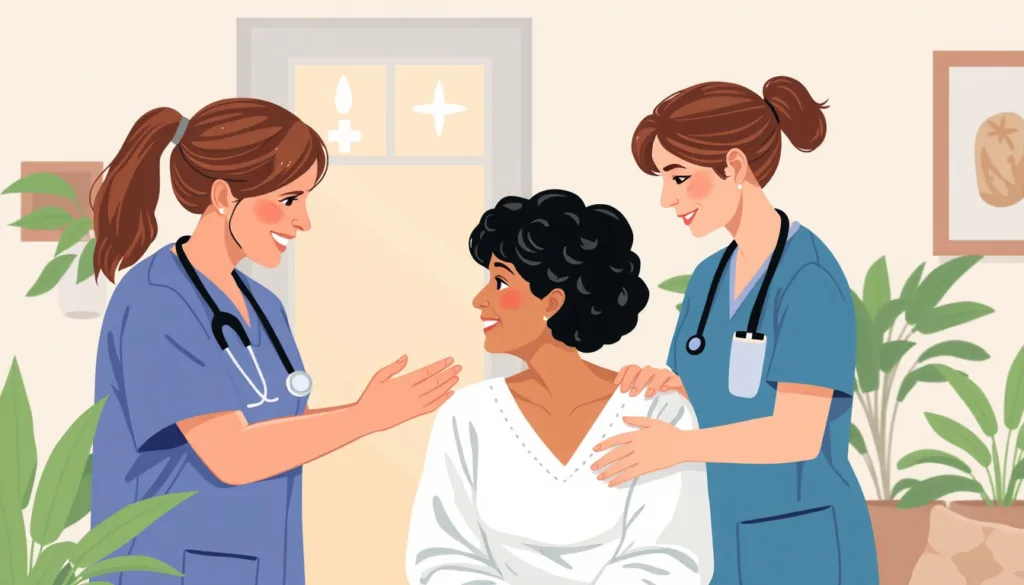
Continuity of care home support provides each patient with steady, coordinated care as they transition from hospital to home. A well-drafted hospital plan guides the home care team. Through close collaboration among doctors, nurses, and caregivers, patients receive the right care at the right time. This essential link supports recovery and minimizes risks.
Continuity of care covers three main areas:
- Relational continuity: Patients work with familiar caregivers, strengthening personal connections.
- Informational continuity: Essential health details are consistently passed from one provider to the next, ensuring a seamless care experience.
- Management continuity: Care teams synchronize their plans and actions over time, aligning daily tasks with long-term health goals.

Clinicians, managers, and home support workers must collaborate closely. Their cohesive efforts form a robust network that transcends traditional healthcare boundaries.
Why Hospital-to-Home Care Often Fails
Transition gaps emerge once a patient departs the hospital, leading to several breakdowns:
- Delayed discharges and fragmented communication: Occasionally, planning mismatches delay the commencement of home support.
- High risk of readmission: Delays in initiating home care increase the likelihood of hospital readmissions.
- Overwhelmed families: Families often struggle to quickly connect with appropriate care, causing distress and confusion.
- Underutilized caregiver workforce: Independent caregivers sometimes remain sidelined from coordinated hospital plans.
These disruptions often degrade patient outcomes and inflate healthcare costs.
If managing post-discharge care is challenging, consider getting matched with a caregiver in your area to strengthen your care network.
The Cost of Poor Discharge Planning
Ineffective discharge planning weakens the essential links within the care chain, impacting every aspect:
- Extended hospital stays prevent the availability of new beds.
- Increased readmissions burden healthcare systems under value-based care models.
- Families experience significant stress and caregiver burnout.
- Fragmented care diminishes trust and reduces patient satisfaction.
Health systems must fortify connections post-discharge to ensure sustainable, patient-centered outcomes.
How Families Can Navigate Care After Discharge
Navigating post-discharge care can be daunting. Here are steps to reinforce your care network:
- Recognize the importance of continuity: Ongoing involvement with familiar caregivers can decrease risk and enhance comfort.
- Request a detailed discharge plan clearly, ensuring all parties are well-informed.
- Engage services from home care agencies or platforms that swiftly establish connections with vetted caregivers.
- Stay vigilant about any changes and collaborate actively with your care teams.
If you need assistance swiftly linking care components, consider getting matched with a caregiver in your area. This connection is vital for your loved one’s care continuity.
How Clinics and Hospitals Can Improve Transitions
Medical institutions can enhance transitional care by implementing coordinated plans:
- Incorporate home care coordination into every discharge strategy.
- Leverage technology to facilitate seamless connections between patients and caregivers.
- Define clear roles for each department and community provider to improve synergy.
- Adopt integrated systems allowing real-time updates and accessibility to essential details.
By connecting with existing caregiver networks and integrating home care with patient plans, facilities can ensure smoother hospital-to-home transitions and reduce stress for all parties involved.
What Effective Transition Models Look Like
Effective care transitions are characterized by several clear and consistent elements:
- Person-centered care planning: Direct involvement of patients, families, and providers in the decision-making process.
- Standardized care plans and documentation: Uniform access to up-to-date information ensures all caregivers are aligned with the care objectives.
- Consistent caregiver assignment: Stable caregiver relationships foster trust and improve care quality.
- Structured communication protocols: Efficient handoffs and regular team discussions maintain strong coordination and clarity.
- Technology integration: Digital tools support scheduling, documentation, and information sharing, linking all aspects of care.
These strategies enhance continuity of care, reducing readmissions and facilitating quicker, safer discharges.
For immediate care solutions post-discharge, you can get matched with a caregiver in your area. This essential step ensures the strengthening of your care network.
Conclusion
Robust home support creates vital links between hospital and home, coherently tying together every element of the care chain. By addressing discharge gaps and engaging each caregiver effectively, healthcare systems can decrease readmissions and enhance recovery. Families gain a structured network that alleviates stress and uncertainty.
For families establishing a care network, prompt connections to dependable caregivers can transform a challenging period into an opportunity for comfort and recovery. If you are seeking reliable home care to support recovery, get matched with a caregiver in your area today and build a care chain that truly makes a difference.
