
Seamless Home Care Transitions: Enhancing Continuity with PSWs After Hospital Discharge
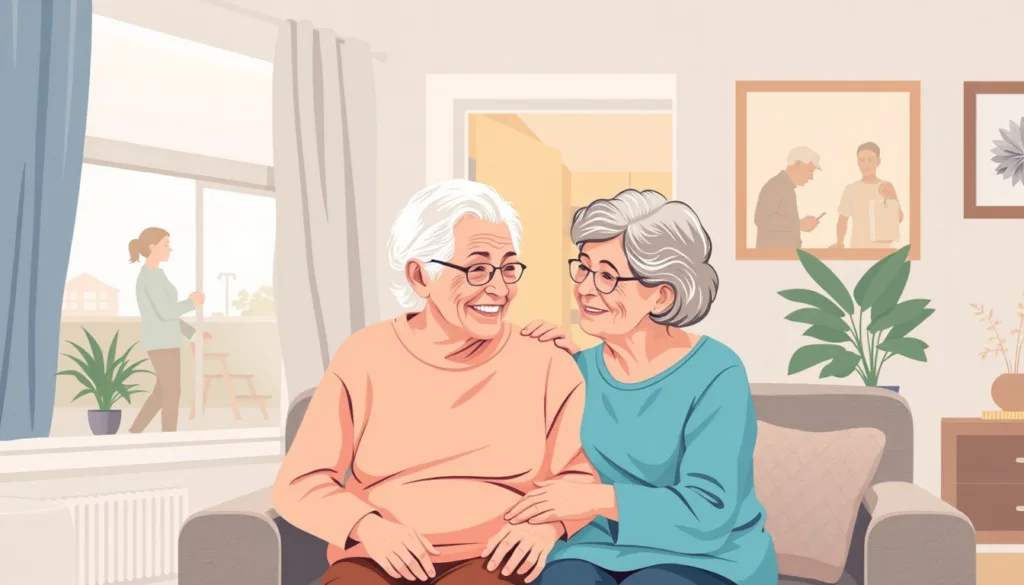
Seamless Home Care Transitions: Enhancing Continuity with PSWs After Hospital Discharge
Understanding What a Home Care Transition Involves with PSWs
A PSWs home care transition is critical when a patient shifts from a hospital or clinic back to their home with supportive care. This period is crucial for recovery, particularly for elderly and those with extensive health issues. Effective care coordination sustains the healing process, minimizes complications risks, and prevents hospital readmissions.
Common Challenges in Hospital-to-Home Care Transitions
Many patients discharge from the hospital medically stable but not completely healed. The initial days post-discharge are critical. Patients encounter challenges such as new medications, wound care, limited mobility, and emotional adjustments. Several issues often arise:
- Delayed activation of home care support leaves patients without necessary daily assistance.
- Fragmented communication among hospitals, families, and caregivers leads to misunderstandings.
- Insufficient use of Personal Support Workers (PSWs) results in lack of non-medical care.
- Families struggle with substantial demands due to lack of clear guidance or dependable support.
If you are experiencing care challenges after discharge, you can Get matched with a caregiver in your area.
The High Cost of Ineffective Discharge Planning
When care transitions falter, the impact is felt both by the healthcare system and families:
- Increased readmission rates: About 20% of patients return to the hospital within a month due to complications or insufficient support.
- Delayed recovery: Errors in medication, falls, inadequate nutrition, or overlooked follow-ups can hinder patient health.
- Family caregiver stress: Unprepared family members face difficult care responsibilities and are at risk of burnout.
- Inefficient workflows: Hospitals expend resources addressing preventable post-discharge problems.
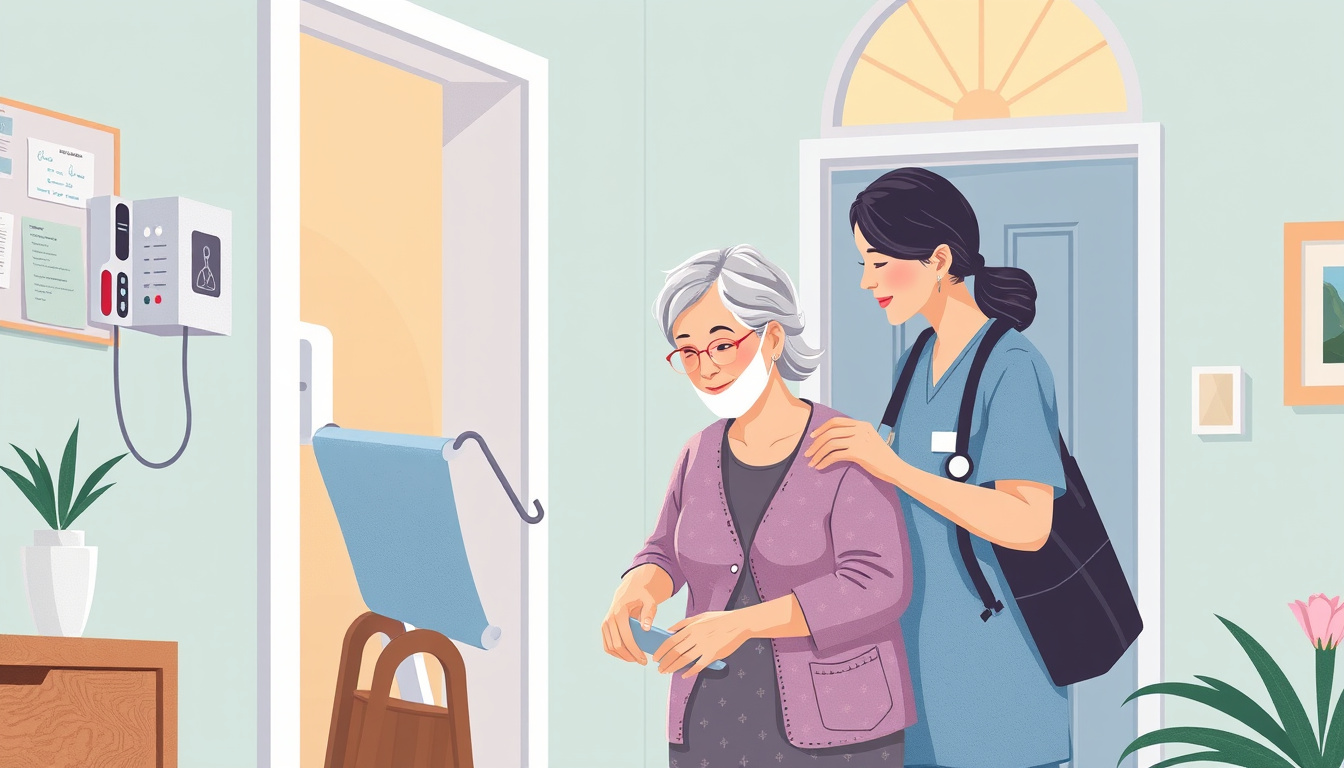
Roles of PSWs in Supporting Efficient Hospital-to-Home Transitions
Personal Support Workers bridge clinical care with everyday living aids. They assist with basic activities like bathing, meal preparation, medication management, and mobility support. Their proactive involvement helps mitigate potential issues by:
- Providing immediate assistance post-discharge, ensuring patients receive care the moment they reach home.
- Coordinating with healthcare teams to adhere to discharge plans and maintain smooth routines.
- Offering a consistent, reliable presence to support families during this transitional phase.
- Monitoring early signs of complications and enabling timely interventions.
Families needing rapid home care support can Get matched with a caregiver in your area.
Optimizing Home Care Transitions in Hospitals and Clinics
To enhance patient outcomes, medical facilities can integrate home care services into their discharge processes:
- Initiate discharge planning early by involving care coordinators, families, and PSW agencies early in the patient’s hospital stay.
- Leverage technology for swift caregiver matching, reducing delays in care commencement.
- Utilize local PSW and caregiver networks for prompt service provision.
- Maintain clear communication channels among all parties involved in post-discharge care.
- Monitor patient progress post-discharge to detect any risks of readmission and enhance care plans.
These measures decrease readmissions, heighten patient satisfaction, and streamline operations.
Blueprint for Effective Transition Models
Successful transitions ensuring seamless home care share these essential strategies:
- Coordinated care teams consist of doctors, social workers, discharge planners, and PSWs collaborating effectively.
- Personalized care plans convert medical advice into actionable, daily routines.
- Immediate caregiver engagement to ensure support is ready as soon as the patient arrives home.
- Continuous monitoring and follow-up to adjust care based on the patient’s progress.
- Inclusive family education, preparing loved ones to support the recovery process effectively.
Strategizing Family Care Management After Hospital Discharge
The day of discharge can be daunting. With a structured plan, families can manage effectively:
- Plan for home care needs prior to discharge by consulting with hospital staff about necessary supports.
- Understand the role of PSWs in aiding with daily tasks and overall recovery.
- Clarify medication schedules and appointments to ensure adherence by home care providers.
- Develop a simple written routine covering meals, mobility, hygiene, and rest periods.
- Assess home safety to minimize risks of falls and other hazards.
- Contact support services early to guarantee readiness when the patient returns home.
If you are preparing for a loved one’s return home, Get matched with a caregiver in your area.
