
Seamless Home Care After Hospital Discharge: Reducing Readmissions for Better Health
Seamless Home Care After Hospital Discharge: Reducing Readmissions for Better Health
Understanding Home Care Transition
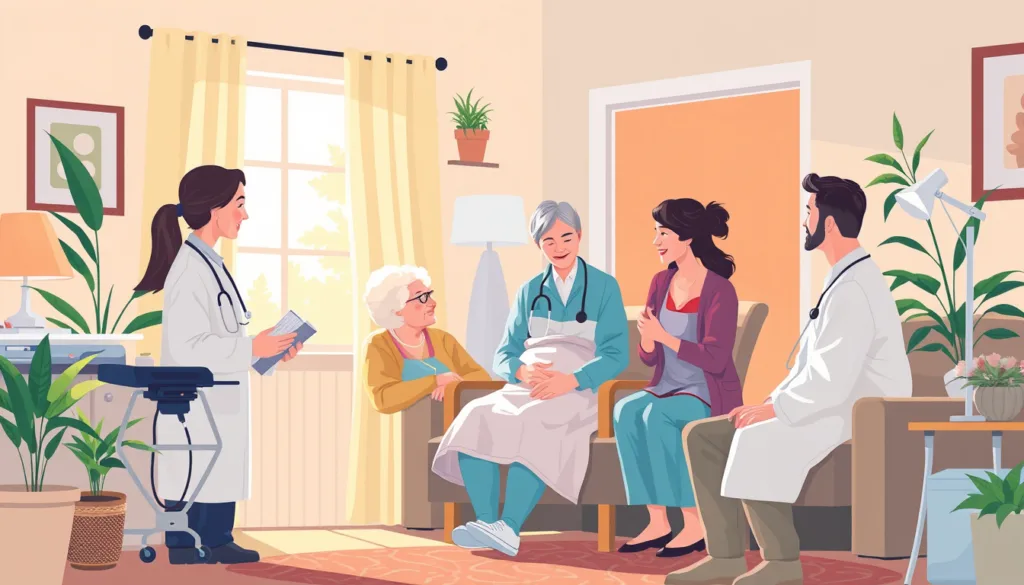
A home care transition occurs when a patient moves from a hospital to a home setting supported by medical plans, rehab procedures, and supportive services for effective recovery. This transition involves rapid transfer of care details, meticulous medication reviews, and prompt home setup. Family members or aides prepare in advance, ensuring a smooth transition that minimizes stress and reduces chances of hospital readmissions.
Common Breakdowns in Hospital-to-Home Care
Many home care transitions face challenges due to weakened connections.
- Patients often leave without a well-defined care plan.
- Communication gaps exist among staff, primary physicians, agencies, and family members.
- Medications are prone to being mixed up.
- Delayed communications with caregivers add to the confusion.
- Families frequently carry an overwhelming burden of care.
These issues contribute to higher readmission rates and delayed discharges, increasing stress and risk during a vulnerable period.
The High Cost of Inadequate Discharge Planning
Subpar discharge planning leads to significant complications:
- Approximately 20% of Medicare patients are readmitted within 30 days due to preventable problems.
- These readmissions generate substantial costs annually.
- Inadequate preparation for home care often results in slow recovery and caregiver exhaustion.
- Patients are at an increased risk for falls, infections, dehydration, and medication errors.
Prioritizing home care as an integral part of treatment plans is essential for hospitals and families to maintain safe and robust health outcomes.
Strategies for Families Managing Care Post-Discharge
Recovery at home can be challenging, but families can take proactive steps to ease the process:
- Ensure the home environment is safe with clear paths, grab bars, and secured beds.
- Organize medications using pill organizers or by scheduling reviews with caregivers.
- Assist in nutrition and hydration to support healing.
- Facilitate movement with appropriate aids and ensure safe walking areas.
- Provide emotional support to alleviate patient anxieties.
- Maintain a schedule for follow-up doctor visits and tests.
Professional caregivers can assist with everyday tasks and monitor medication regimens. Immediate assistance is available; Get matched with a caregiver in your area.
Improving Care Transitions in Hospitals and Clinics
Enhancing communication between essential teams can mend the care continuum:
- Establish robust care connections linking hospital staff, home aides, and families promptly.
- Mobilize local caregiver networks to provide support immediately after discharge.
- Implement clear discharge protocols to initiate home care plans early.
- Address the crucial first three days post-discharge, when patient risks are heightened.
- Educate patients and families on adhering strictly to the care plans.
These strengthened connections reduce readmission rates, decrease hospital stays, and enhance patient well-being.
Characteristics of Effective Transition Models
Efficient models incorporate precise communication and streamlined steps:
- Develop personalized care plans with contributions from patients, families, and health professionals.
- Maintain consistent communication among hospital teams, home aides, and families.
- Initiate care protocols either before discharge or immediately upon arriving home.
- Offer comprehensive support covering medications, therapy, nutrition, and emotional well-being.
- Ensure availability of help at all hours to comfort and reassure patients.
These strong connections in care plans facilitate smoother transitions, promote thorough recovery, and support genuine independence.
Conclusion: Emphasizing Home Care After Hospital Discharge
Efficient home care transitions after hospital discharges bridge the gap between clinical settings and recovery phases. Quick and appropriate help reduces stress and enhances healing processes. Enhanced care coordination results in fewer hospital readmissions and improved delivery of health services.
Ready to support your loved one’s transition? Get matched with a caregiver in your area for compassionate, effective home care.
Hospitals must forge robust links that bring caregivers into action swiftly. These relationships elevate patient care and benefit all parties involved.
Together, step by step and with each decision made, home care links forge a safer, stronger network for patients, families, and healthcare providers.
