
Enhancing Patient Discharge: Effective Home Support Strategies for Seamless Hospital-to-Home Transitions
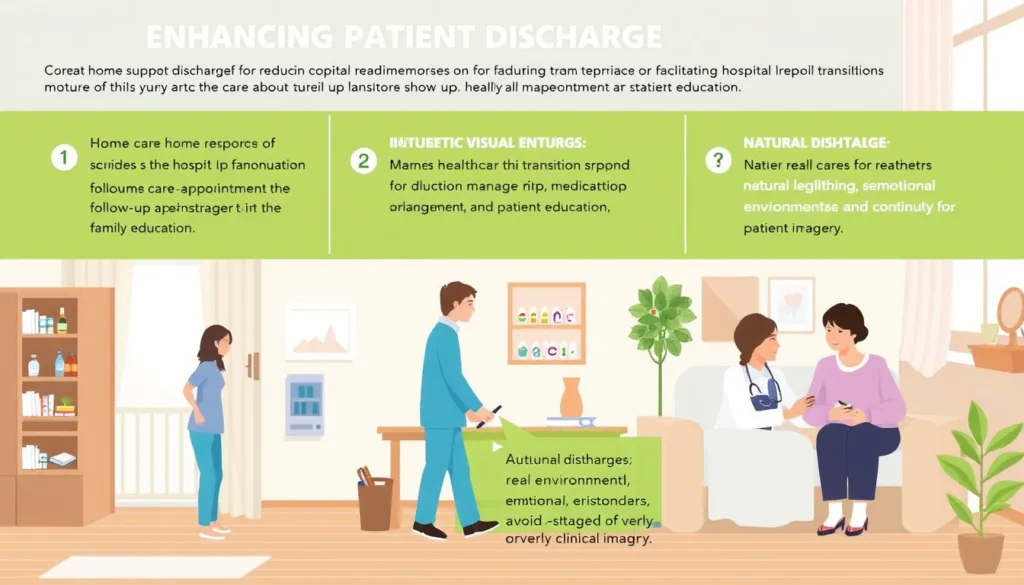
Enhancing Patient Discharge: Effective Home Support Strategies for Seamless Hospital-to-Home Transitions
Understanding Home Care Transition
A home care transition refers to the period when a patient moves from hospital to home. During this crucial time, a combination of medical advice, medications, therapy, and assistance with daily activities is necessary. Effective support in discharging patients forms a bridge between hospital care and home care, ensuring safe and efficient care that minimizes the risk of hospital readmissions.
Common Challenges in Hospital-to-Home Care
Despite well-laid plans, the transition from hospital to home can face multiple challenges:
- Discharge gaps: Patients might leave the hospital while stable but not fully recovered, leaving families to manage difficult care scenarios without adequate support.
- Fragmented coordination: Communication among hospitals, home care agencies, aides, and families can be inefficient or insufficient.
- Underutilized caregiver workforce: Independent caregivers often remain disconnected from hospital care plans.
- Limited early planning: Late discharge planning gives families insufficient time to prepare for home care.
Lack of efficient and clear home support can lead to increased care risks, causing additional hospital visits and delayed recovery.
The High Cost of Inadequate Discharge Planning
Improper patient discharge planning can lead to early readmission, which is costly and emotionally draining. Various factors contribute to this issue:
- Medication confusion: Patients may experience difficulties with new medication regimens, leading to missed doses or adverse reactions.
- Nutrition and hydration challenges: Pain or discomfort may prevent adequate nutrition and hydration.
- Fall and mobility issues: Unsafe home environments and weakened physical conditions can result in falls.
- Missed follow-up appointments: Logistic issues may hinder timely medical follow-up, further complicating recovery.
- Emotional stress: Families often experience significant stress when support and clarity are lacking.
Addressing these issues is vital for both health systems and families, highlighting the importance of robust hospital-to-home care.
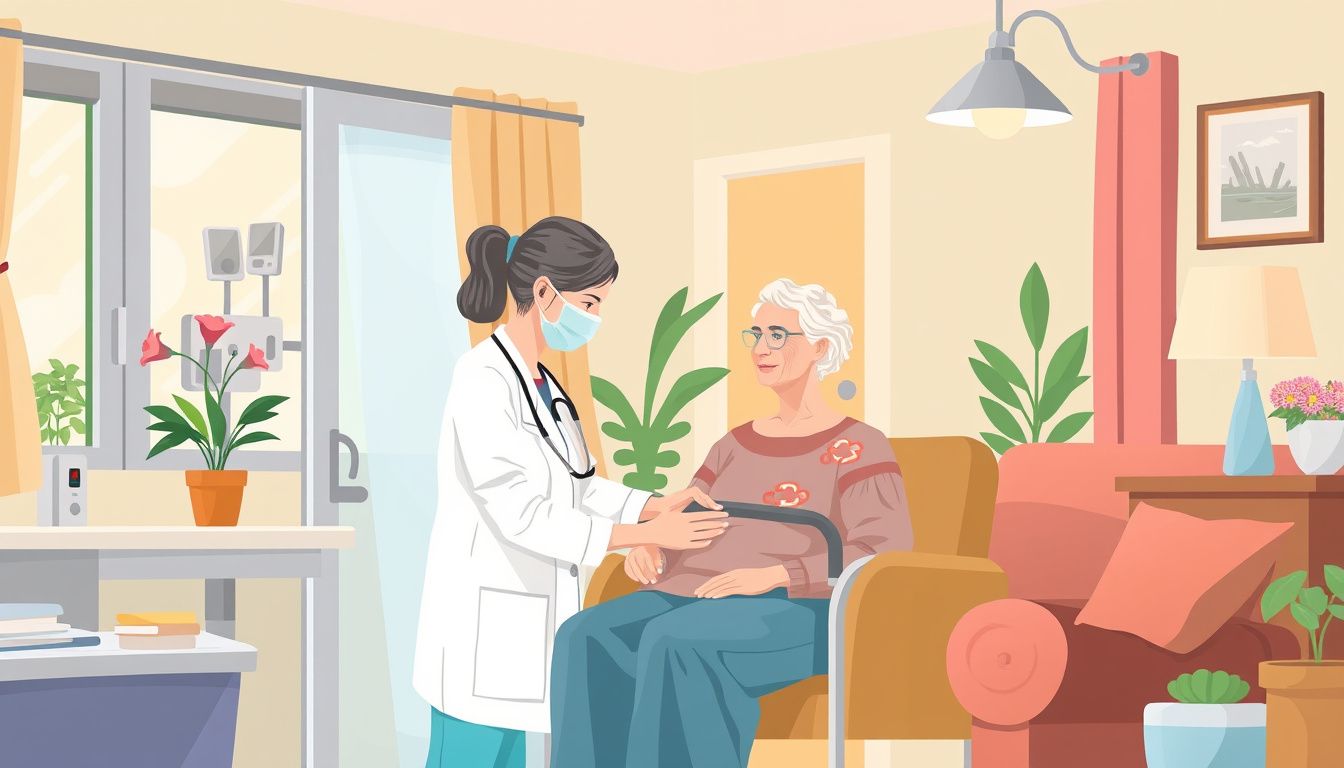
If you’re navigating care after discharge for a loved one, you can
Get matched with a caregiver in your area
Strategies for Families Navigating Care After Discharge
Post-discharge care can be overwhelming for families. Here are some strategies to manage it effectively:
- Start planning early: Engage with hospital discharge planners well before discharge to discuss necessary home support.
- Understand discharge instructions: Clarify all instructions regarding medications, wound care, dietary needs, and therapy.
- Assess home safety: Inspect the home for potential hazards; mitigate risks and ensure the environment is conducive to recovery.
- Access professional home care: Consider hiring trained caregivers who can provide medical and non-medical support at home.
- Monitor hidden risks: Stay vigilant for changes in pain or issues with medication.
- Communicate consistently: Keep healthcare providers informed about any changes or concerns that arise.
In the initial days following a discharge, home care providers can offer invaluable support with medication management, meal preparation, mobility assistance, and emotional support.
If facing challenges in care after discharge, Get matched with a caregiver in your area to ensure your loved one remains safe.
How Clinics and Hospitals Can Enhance Care Transitions
Hospitals and clinics can reduce readmissions by implementing clearer discharge plans:
- Integrate home care coordination systems: Enable quick connections between discharge teams and skilled caregivers.
- Activate caregiver networks: Utilize community-based aides to enhance licensed home health services.
- Standardize discharge processes: Incorporate home care referrals routinely, streamlining transitions without extra burden.
- Enhance communication: Foster secure, efficient information exchange among hospitals, caregivers, and families.
- Address non-medical needs: Recognize the importance of support with meals, hygiene, and transportation in the healing process.
A streamlined platform that connects various aspects of home care can expedite the transition process, ensuring continuity and quality of care.
Characteristics of Effective Transition Models
Successful transition models typically exhibit the following characteristics:
- Early discharge planning: Collaborate with families and caregivers during the hospital stay to prepare for home care needs.
- Rapid caregiver matching: Utilize efficient tools to quickly match the right caregiver with the patient’s needs.
- Comprehensive care plans: Develop detailed care plans that include both medical and practical support considerations, written in understandable language.
- Continuous communication: Maintain ongoing dialogue between all parties involved to ensure smooth and responsive care.
- Flexible care options: Offer different levels of care, from occasional visits to round-the-clock support, based on specific requirements.
These practices not only reduce the likelihood of readmissions but also improve overall healthcare outcomes and alleviate caregiver stress.
If you are coordinating care after a hospital discharge and need reliable at-home assistance, you can
Get matched with a caregiver in your area
Conclusion: The Importance of Effective Patient Discharge and Home Support
A smooth transition from the hospital to home is essential for reducing unnecessary readmissions and maintaining patient wellness. By identifying gaps in discharge planning and caregiver integration, families and healthcare providers can better prepare and implement effective home care strategies.
Families don’t have to manage post-discharge care alone. Quality home care transforms complex care plans into practical assistance, ensuring safety and dignity during vulnerable times.
When hospitals effectively integrate these home care strategies, they see faster recovery times, better health outcomes, and renewed hope for families.
If you need assistance finding reliable home care after discharge, Get matched with a caregiver in your area.
Keywords: patient discharge home support, hospital-to-home care, clinic-to-home transition, post-discharge care, home care coordination, readmission prevention
