
Enhancing Transitional Care Services in Ontario: Reducing Readmissions and Safe Hospital-to-Home Transitions
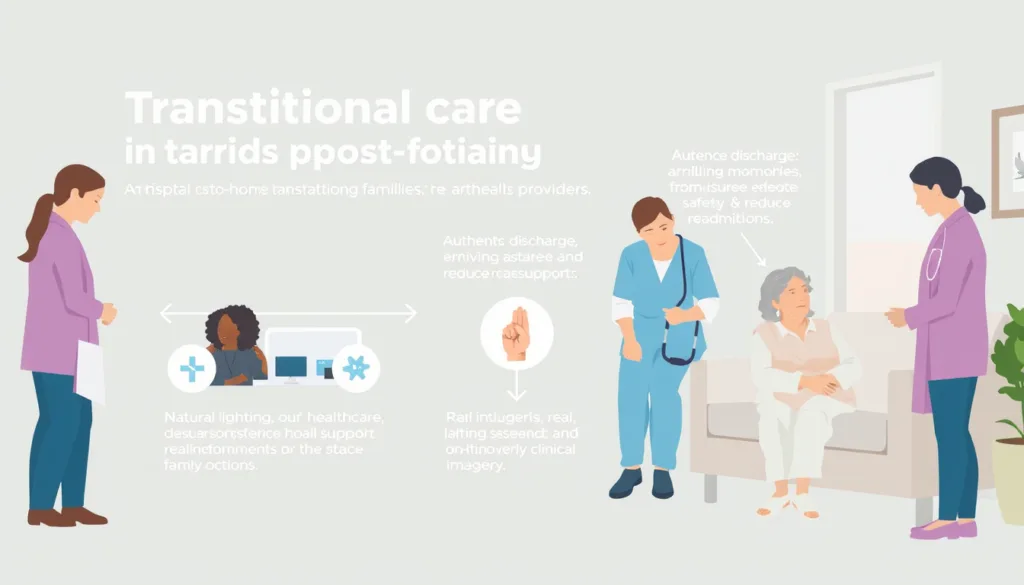
Enhancing Transitional Care Services in Ontario: Reducing Readmissions and Safe Hospital-to-Home Transitions
What is an Ontario Home Care Transition?
Ontario transitional care facilitates the move of a patient from a hospital or clinic back to their home, integrating medical care with essential personal and social support. Transitional care services in Ontario effectively bridge the gap between hospital stays and independent living, connecting patients with personal care workers, case management, medication checks, and emergency help. Organizations such as The Neighbourhood Group and Carefirst Transitional Care Centre are pivotal in ensuring seniors and patients transition safely from hospital to home, aiming to lower readmission risks.

If you need care after discharge, you can
Get matched with a caregiver in your area
Why Hospital-to-Home Care Often Fails
Transitions from hospital to home often encounter challenges, including:
• Patients experience delayed discharges while waiting for suitable home or long-term care – increasing healthcare costs and the risk of hospital-acquired conditions.
• A lack of planned communication between hospitals, community providers, and families leads to poor coordination.
• Caregiver resources remain underutilized as mechanisms fail to rapidly activate them.
• Families suddenly find themselves managing complex healthcare tasks with minimal support, significantly increasing stress.
These challenges contribute to avoidable readmissions, hindered recovery, and potential caregiver burnout.
If your family needs quick, reliable care post-discharge,
Get matched with a caregiver in your area
The High Costs of Poor Discharge Planning
Ineffective discharge planning has significant financial and emotional costs:
• Hospitals see a surge in readmissions when essential home support is missing.
• Patient recovery slows significantly without continued care.
# Hospitals exhaust resources as patient stays lengthen and readmission rates increase.
• Families experience distress when left to manage care needs on their own.
Healthcare teams across Ontario are dedicated to closing these gaps and enhancing patient outcomes.
How Families Can Navigate Care After Discharge
For families managing post-discharge care, the process can seem daunting. Consider the following steps:
• Discuss transitional care options with hospital discharge planners or social workers.
• Explore transitional care apartments which provide round-the-clock support during stabilization.
• Engage with community groups that offer comprehensive support such as case management and emergency services.
• Utilize caregiver matching services to secure trusted, immediate assistance at home.
If you need assistance after hospital discharge, you can
Get matched with a caregiver in your area
to initiate home care smoothly and worry-free.
Improving Transitions from Clinics and Hospitals
Healthcare centers can enhance patient transitions from hospital to home by:
• Integrating care coordination platforms that connect discharged patients with vetted caregivers.
• Leveraging community caregiver networks for a prompt start of in-home care.
• Adopting models like support apartments or short-stay units to reduce hospitalization periods.
• Focusing on collaborative teams comprising nursing, social work, and rehabilitation experts.
• Utilizing data analytics to identify high-risk patients requiring intensive transitional care.
These methods help reduce readmissions, streamline discharges, and increase patient satisfaction efficiently.
Characteristics of Effective Transitional Care Models
Successful transitional care services in Ontario demonstrate key features:
• They provide constant support through personal care workers, medication checks, and emergency response teams.
• They offer temporary, well-equipped housing. Transitional Care Program apartments serve as a crucial bridge.
• They implement multidisciplinary case management to customize patient care plans effectively.
• They facilitate access to rehabilitation and specialist services onsite or via partnerships.
• They actively involve families, providing essential education and support to caregivers.
For example, Carefirst’s Transitional Care Centre in Scarborough operates a 27-bed unit that focuses on nursing care, physiotherapy, dietary guidance, and comprehensive social support to promote recovery and independence.
Moving Forward with Ontario Transitional Care Services
Moving from hospital to home requires clear, robust support. By refining discharge planning, enhancing coordination, and utilizing community caregivers, readmissions decrease and patients can safely return home.
For families seeking consistent care after discharge,
Get matched with a caregiver in your area
For healthcare teams and institutions, embracing effective transitional care models and broad caregiver networks is key to achieving better patient results and reducing system burden.
By enhancing transitional care services in Ontario, we help families and providers collaborate for safer, smoother transitions from hospital to home.
