
Smooth Transitions: Essential Strategies for Navigating Home Care After Hospital Discharge with Learning Disabilities
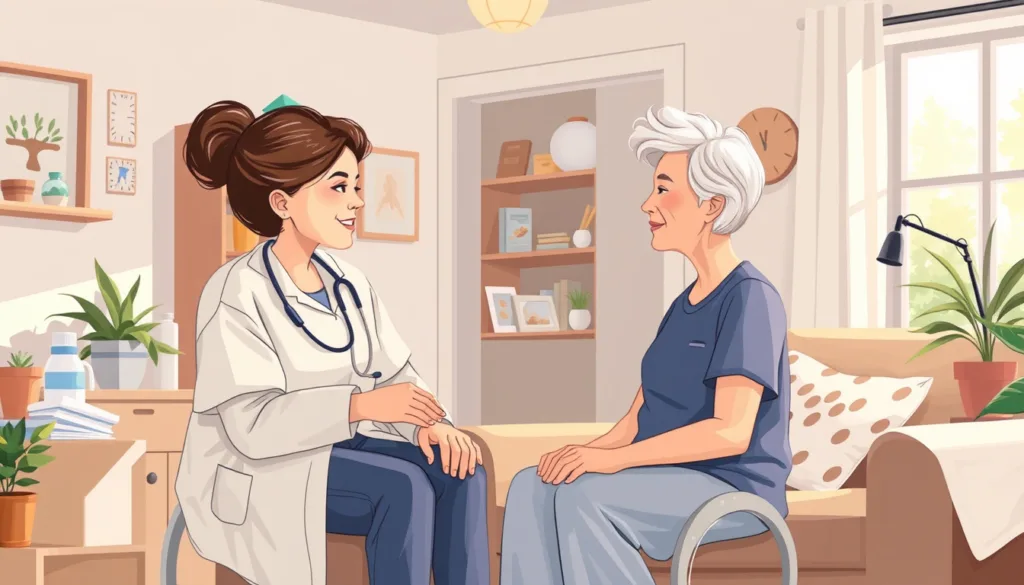
Smooth Transitions: Essential Strategies for Navigating Home Care After Hospital Discharge with Learning Disabilities
Imagine this scenario: Your loved one has learning disabilities and has been hospitalized for necessary tests and treatments. As the hospital discharge approaches, concerns about transitioning to home care arise. How will care be managed? Who will assist with daily tasks? What if their health condition worsens?
For many families, the process of leaving the hospital can be fraught with anxiety. This transitional period is crucial, yet often the shift from hospital back to home care feels disjointed and unclear.
The Problem: Why Care Transitions Often Break Down for People with Learning Disabilities
Transitioning from hospital to home presents numerous risks, which are particularly acute for individuals with learning disabilities. Several factors contribute to these care gaps:
- Communication gaps: There is often poor sharing of information about care, medications, or follow-up appointments between hospital staff, families, and community caregivers.
- Lack of tailored support: Standard care plans frequently overlook the special needs of those with learning disabilities, leaving families to tackle complex care challenges on their own.
- Timing and coordination issues: Delays in starting home care or the absence of essential caregivers can result in extended hospital stays or premature discharges.
- Emotional and practical overwhelm: Both patients and their families can become overwhelmed by medical jargon, changes in daily routines, and the demands of ongoing care needs.
These challenges can necessitate a return to the hospital, thereby increasing stress on family caregivers and potentially worsening the patient’s health.
Key Insights on Supporting Patients with Learning Disabilities in Care Transitions
Analysis of real hospital cases and established best practices unveils effective strategies for facilitating smoother transitions:
- Patient-centered communication: Hospital staff engage in clear communication, ensuring the patient understands and addressing any questions—this fosters trust and reduces anxiety.
- Personalized assessments: Utilizing tools like the traffic light system to assess patients helps in creating comprehensive care profiles that highlight individual needs and preferences.
- Familiarity and emotional support: Consistency in caregivers who are familiar with the patient’s particular triggers and comfort needs can significantly ease the transition.
- Demystifying medical procedures: Simplifying explanations of routine check-ups like blood pressure or oxygen levels in layman’s terms can demystify the process and alleviate fears.
- Collaborative discharge planning: Engaging nurses, doctors, patients, and families early in the discharge process helps in crafting a well-rounded home care plan covering physical care, medications, nutrition, and support needs.
- Availability of trained community caregivers: Ensuring prompt access to skilled caregivers helps eliminate delays and fills care gaps effectively.
Practical Guidance for Families Navigating Post-Discharge Care
Here are actionable steps you can take if you assist a loved one with learning disabilities at home:
- Insist on a personalized care plan that includes detailed instructions on medications, dietary needs, and scheduled appointments, all communicated in clear, simple language.
- Determine who will provide hands-on care and monitor health conditions at home. If you lack a caregiver, get matched with a caregiver in your area.
- Prepare your home environment by removing safety hazards, organizing medications, and ensuring essential aids are easily accessible.
- Maintain open lines of communication by documenting and promptly sharing any concerns, questions, or changes with healthcare providers.
- Act quickly if issues arise by seeking help immediately to prevent potential complications and avoid hospital readmission.
A System-Level Perspective: How Providers Can Improve Transitions for Patients with Learning Disabilities
Effective systemic changes are necessary for optimizing discharge processes and care transitions. Healthcare providers can enhance support by:
- Integrated care coordination: Assigning a transition guide or case manager knowledgeable about learning disabilities to each patient can help bridge the gap between hospital services, families, and community care.
- Early discharge planning: Starting discharge planning early and involving patients and their families helps identify home care needs swiftly and set clear, attainable goals.
- Staff training in disability awareness: Educating hospital staff to communicate effectively and sensitively with patients having learning disabilities is essential.
- Expand access to specialized caregivers: Collaborating with home care agencies well-versed in handling learning disabilities can facilitate quicker community support.
- Use of technology to monitor care plans: Implementing digital tools that provide real-time updates on care steps, available caregivers, and patient status can enhance care coordination.
- Monitoring outcomes to reduce readmissions: Regularly assessing feedback to identify what works and addressing any barriers can lead to more effective care strategies and reduce the likelihood of hospital readmissions.
These improvements in the healthcare system promote better patient outcomes, diminish the frequency of hospital returns, and shorten overall hospital stays.
Conclusion: Taking Confident Steps Toward Successful Home Transitions
Transitioning to home care after hospital discharge when caring for someone with learning disabilities can seem daunting. With the right strategies and support, families and care providers can pave a smoother, safer path forward.
Key to success are clear communication, individualized care plans, and access to trained caregivers. Moreover, healthcare teams must foster early planning, integrate services tailored to learning disabilities, and utilize digital tools to close care gaps effectively.
If you are preparing for discharge or supporting someone who is, take immediate action: get matched with a caregiver in your area to ensure a seamless and secure transition to home care.
Together, with careful, compassionate support, every family can confidently navigate this critical journey.
