
Seamless Home Care Coordination in Canada: Reducing Readmissions and Enhancing Care
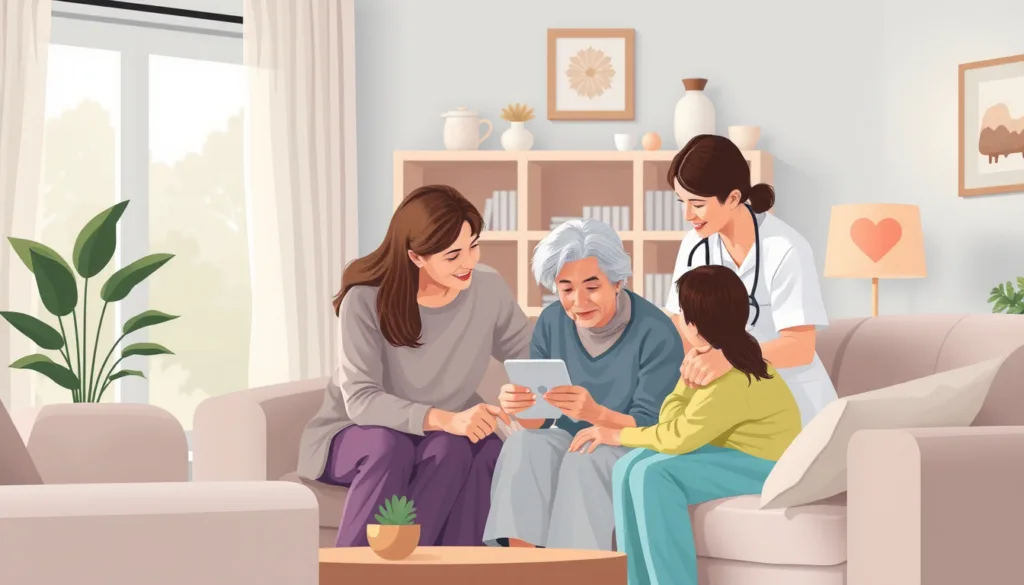
Seamless Home Care Coordination in Canada: Reducing Readmissions and Enhancing Care
Understanding Home Care Coordination
In Canada, home care coordination is crucial for organizing and managing services for patients transitioning from hospitals or clinics. Led by care coordinators, including social workers, occupational therapists, and physiotherapists, these professionals develop personalized care plans to ensure collaboration with primary providers and community resources, focusing on recovery, safety, and independence at home.
This effective coordination provides patients with rapid access to:
- Specialized nursing care post-surgery
- Support for daily activities
- Therapy to restore strength and mobility
- Essential community resources
Challenges in Transitioning Care from Hospital to Home
Transitioning from hospital or clinic to home care poses significant challenges, such as:
- Communication breakdowns causing discharge gaps and delayed home care plans
- Underutilization of available caregivers
- Fragmented coordination among clinical teams, families, and caregivers
- Families overwhelmed by a lack of support
These challenges often lead to patient readmissions and prolonged recovery times.
The High Costs of Poor Discharge Planning
Poor discharge planning increases hospital readmission rates, prolongs recovery times, and heightens complications. These inefficiencies significantly inflate healthcare costs, adding emotional and physical strain on families acting as informal caregivers.
For Canadian healthcare institutions, improving discharge processes enhances patient outcomes and supports effective community-based care.
Navigating Post-Discharge Care with Family Support
Families play a crucial role when patients return home, often needing guidance to arrange appropriate care quickly. Families should consider:
- Working with discharge planners or care coordinators to understand specific care needs
- Researching and verifying qualifications of local home care services
- Considering independent caregivers tailored to specific needs
- Utilizing trusted platforms for swift caregiver matching
If you need assistance post-discharge, you can Get matched with a caregiver in your area.
Enhancing Home Care Coordination for Clinics and Hospitals
Healthcare providers can advance post-discharge care by:
- Early integration of care coordinators to manage care plans effectively
- Leveraging technology and networks for quick matching of patients with local caregivers
- Improving communication among hospitals, clinics, families, and home care teams to keep care plans aligned
- Monitoring patient progress post-discharge for immediate adjustments to prevent complications and readmissions
Key Elements of Effective Home Care Transition Models
Successful transition models in Canada incorporate:
- Patient-centered care coordination with a single point of contact linking families and all care providers
- Rapid activation of home care services to match patients with suitable caregivers immediately
- Continuity across care settings, ensuring seamless care plan flow from hospital to home
- Comprehensive support for families to alleviate caregiver strain
For immediate support during this critical period, Get matched with a caregiver in your area to facilitate your loved one’s recovery.
Clear and effective home care coordination in Canada helps reduce hospital readmissions and accelerates safe home recovery. Whether you are a healthcare professional or caring for a family member, robust coordination is essential.
If your family needs support with home care post-discharge, don’t delay. Get matched with a caregiver in your area today for dependable, compassionate care exactly when you need it most.
