
Exploring Home and Community Care Services: The Essential Role of PSW Support at Home – Part 1
Exploring Home and Community Care Services: The Essential Role of PSW Support at Home – Part 1
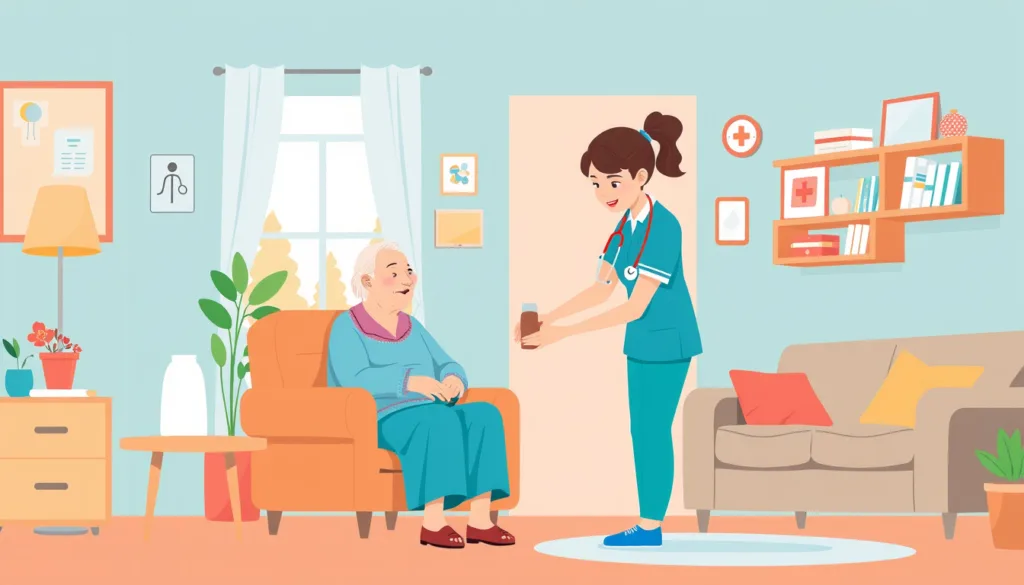
Most people cherish the comfort and familiarity of their own homes, especially as they age or face health challenges. The desire to remain surrounded by loved ones and familiar surroundings is universal. Yet, maintaining independence at home often requires additional support, particularly for daily personal care tasks. That’s where Personal Support Workers (PSWs) become indispensable for PSW support at home.
Who are PSWs and Why are They Crucial?
Personal Support Workers, commonly known as PSWs, are trained care professionals who assist individuals with a broad spectrum of personal care activities. These include essential tasks such as bathing, dressing, and toileting, alongside medication reminders and even light household duties like meal preparation or accompanying clients on outings. PSWs help bridge the gap between needing support and preserving dignity and autonomy in daily life.
Their role extends far beyond just task performance—they provide companionship and reassurance, contributing significantly to a person’s quality of life while enabling them to remain in their homes longer. As integral members of the healthcare landscape, PSWs support not only the individual receiving care but also their families and the broader community system.
Accessing Essential PSW Support at Home Through Community Services
One primary avenue for obtaining PSW support in Ontario is through the Home and Community Care Support Services (HCCSS), previously known as Community Care Access Centres (CCAC). HCCSS plays a pivotal role—they assess individual care needs, determine eligibility, and coordinate government-funded services including care from PSWs, nurses, occupational therapists, and even long-term care placement referrals.
Importantly, PSW services funded through HCCSS are targeted toward individuals with high needs who require assistance with personal care tasks that they are unable to perform independently. The service is task-oriented and focuses primarily on personal care rather than housekeeping.
Eligibility and How to Connect
Eligibility for government-funded PSW support hinges on demonstrating a need for help with personal care activities such as toileting, bathing, or dressing. Someone who is fully independent in these areas or unwilling to accept PSW help likely will not qualify for services through HCCSS.
The service regions are divided geographically. For example, in East Toronto, residents fall under the Toronto Central catchment area served by the Central East HCCSS branch. If you or a loved one need to inquire about eligibility or arrange support, it’s vital to contact the appropriate local HCCSS office—in East Toronto, this can be done by calling 416-56-9888. When initiating contact, ensure the care recipient is present to give verbal consent and have their Ontario Health Insurance Plan (OHIP) card number ready. The initial phone contact will include a screening to determine if a more detailed assessment by a care coordinator is necessary, which can be conducted either in person or over the phone.
Navigating Challenges and Next Steps
If an initial assessment does not result in eligibility, don’t be discouraged. Needs change over time, and reassessment remains a possibility if the care recipient’s condition alters. Family doctors can be crucial allies in this process, often able to refer patients directly to HCCSS and advocate on their behalf to access available services.
For caregivers and care recipients navigating the healthcare system, resources like the East Toronto Health Partners service directory can provide valuable guidance. Understanding what supports exist and how to access them is an important step toward managing care effectively at home.
Looking Ahead: Continuing the Conversation
This first installment has focused on understanding the foundational elements of PSW support at home and how Home and Community Care Services operate as access points. In subsequent parts, we’ll take a closer look at other facets of elder care, including the process for long-term care home admission and strategies for optimizing home care arrangements.
Amicare’s Role in This Ecosystem
While government-funded PSW support through HCCSS provides essential services, the reality is many families face wait times or eligibility restrictions that leave gaps in care. Solutions that complement these services by offering vetted, flexible, and personalized PSW care options—empowered by AI-driven matching—can make a real difference for seniors desiring to age at home with dignity.
Understanding and utilizing available public services is the first step. Enhancing these with innovative, accessible options ensures seniors and their families have the comprehensive support needed to thrive in their preferred environment.
For a deeper dive into elder care navigation, continue exploring our series. Empowering yourself with knowledge is the key to building better routines and systems for care—a practical habit that benefits everyone involved.
With over 6 million seniors in Canada and 93% preferring to age at home, the need to bring quality home care to seniors is urgent. Families want peace of mind, and caregivers deserve respect and support.
This isn’t just a marketplace—it’s a movement for better care. Join our marketplace today and receive quality home care matches in minutes.
