
Seamless Transitions: A Practical Guide to Ensuring Effective Post-Discharge Home Care
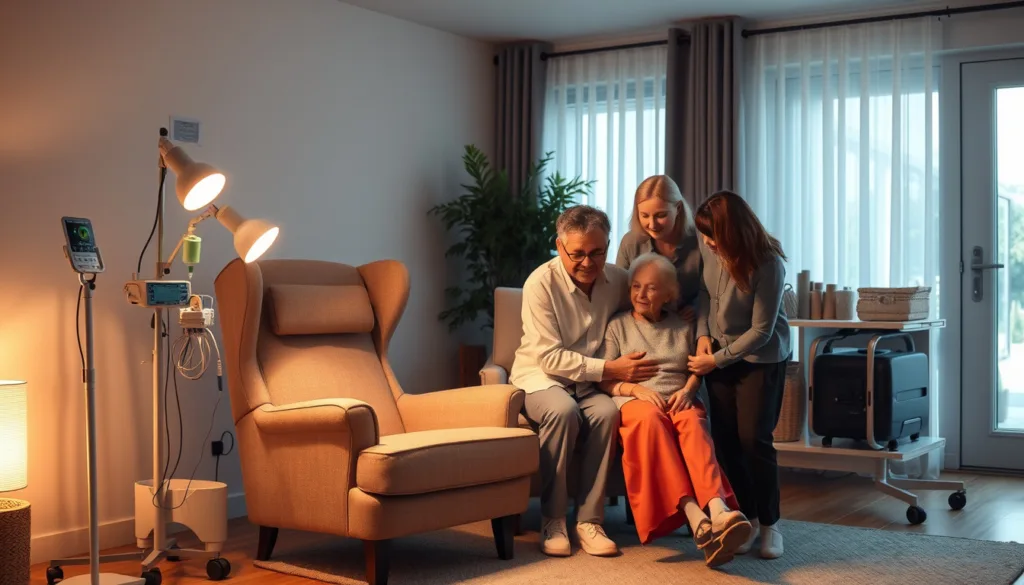
Seamless Transitions: A Practical Guide to Ensuring Effective Post-Discharge Home Care
Leaving the hospital after surgery or treatment can feel like you begin a challenging journey. You want to heal, involving crucial post-discharge home care. Yet, you may not know where to start or how to secure support. The transition from hospital to home or another care site greatly impacts your recovery and peace of mind.
Why Care Transitions Often Fail
Post-discharge care is crucial, yet challenges abound:
- Families often encounter unclear care plans, leaving them uncertain about which support is necessary and how to access it.
- Communication between hospital staff, home care providers, and families is frequently fragmented, leading to missed treatments and misunderstandings.
- Insurance policies add complexity, confusing patients about which services and equipment are covered.
- Preparations for medications, therapy, and transport are often inadequate, creating obstacles in adhering to care plans.
These gaps increase stress for families and can delay recovery, cause hospital readmissions, and result in worse health outcomes.
Key Insights for Effective Post-Discharge Home Care
Discharge planning is highly individualized, depending on your health needs, home environment, and support network. Ask yourself:
- What medical treatments or assistance will I need at home?
- Am I able to manage eating, bathing, and grooming independently or with assistance?
- Will family or friends be available to assist me?
- Do I require medical tools or specialized transportation for follow-up appointments?
- What does my insurance cover regarding these services?
Your answers help determine whether recovery at home is feasible or if you need a facility like an inpatient rehabilitation center or a skilled nursing facility.
Healthcare teams, including social workers, guide you through these decisions and ensure tailored recommendations to fit your health and lifestyle choices.
Practical Guidance for Navigating Post-Discharge Care
-
Engage Early and Ask Questions
Meet with your discharge team before leaving the hospital. Inquire about your home care plan, medication management, and upcoming appointments. Discuss any needed equipment and transportation if your mobility is limited. -
Coordinate Support
Secure help from family or friends for daily activities. Consider home health services for additional care, such as wound care, IV medications, or therapy. -
Understand Your Insurance Coverage
Insurance plans vary. Contact your insurer to determine coverage of post-discharge services and equipment, and potential costs. Seek assistance from your hospital social worker if necessary. -
Keep All Discharge Documents Handy
Maintain easy access to your discharge papers, which include vital care instructions and appointment details. Share them with your caregivers to ensure continuous and safe care.
Get matched with a caregiver in your area
This link helps you find support tailored to your recovery needs at home.
Perspectives for Healthcare Providers: Strengthening Care Transition Systems
A robust system simplifies transitions, diminishes the risk of costly readmissions, and enhances overall patient satisfaction. For example:
- Early planning with diverse healthcare teams tailored to real-life home conditions.
- Clear communication across all parties establishes shared roles and expectations.
- Quick referral processes and streamlined access to home health services reduce delays post-discharge.
- Thorough patient education and engagement enable families to manage care effectively and recognize early warning signs.
Implementing these best practices fosters smooth discharges and reliable, satisfying patient care.
Conclusion: Taking the Next Steps Toward Confident Recovery
Whether you recover at home or in another facility, thorough preparation and open communication strengthen your recovery journey. Engage with your care team early to fully understand your treatment and post-discharge home care options. Utilize every available resource to facilitate this transition.
Recovery doesn’t end upon leaving the hospital. Effective post-discharge care is pivotal to your continued healing.
If you or a loved one are preparing to leave the hospital and require home care setup, do not delay:
Get matched with a caregiver in your area — personalized support is closer than you think.
